Home energy savings start with knowing where a household’s energy goes: heating and cooling take the largest share, followed by hot water, lighting, refrigeration and electronics. Cutting use in those areas, before adding any generation, is usually the cheapest route.
This hub maps the main energy uses in a house, explains which upgrades address each one, and points to a detailed explainer for every step. It is an independent guide to household efficiency and solar, not a product catalogue and not a source of financial, tax or electrical advice.
Where a Household Uses Energy
Before choosing any upgrade, it helps to see how a typical home divides its energy. The U.S. Energy Information Administration reports that more than half of a household’s annual energy consumption, 52% in 2020, goes to just two uses: space heating and air conditioning. Those uses are mostly seasonal, energy-intensive, and vary with climate, home size, equipment and fuel.
The remaining share is spread across year-round loads. According to the same EIA page, water heating, lighting and refrigeration together made up 25% of annual home energy use in 2020, while televisions, cooking appliances, clothes washers, clothes dryers and consumer electronics accounted for the other 23%. The practical lesson is that a small number of large loads decide most of a bill, and a long tail of small loads adds the rest.
| End use group | Share of home energy use, 2020 | Typical lever |
|---|---|---|
| Space heating and air conditioning | 52% | Air sealing, insulation, efficient equipment, better controls |
| Water heating, lighting and refrigeration | 25% | Efficient water heater, LED bulbs, efficient refrigerator |
| Other appliances and electronics | 23% | Efficient models, switching off unused devices |
The shares in the table come from the EIA’s “Use of energy in homes” page, which describes U.S. households in 2020.
Housing type matters as much as appliance choice. The EIA notes that in 2020 the average household in a single-family detached home consumed nearly three times more energy than a household in an apartment building with five or more apartments, partly because apartments are smaller and are partly insulated from the weather by neighbouring units. A saving strategy for a detached house in a cold region therefore looks different from one for a small flat in a mild climate.
Electricity tells a related story. The average U.S. household consumes about 10,500 kilowatthours of electricity per year, and the EIA’s page on electricity use in homes lists air conditioning at 19%, space heating at 12% and water heating at 12% as the three largest shares of residential electricity consumption in 2020. The same page notes that nearly all homes, 99%, have a refrigerator, and that 34% had two or more, a reminder that an old second fridge in a garage is a common hidden load.
Find the Waste First: Audits and Air Sealing
The most reliable way to rank upgrades is to measure rather than guess. A home energy audit looks at insulation, air leakage, heating and cooling equipment and ventilation, and produces a prioritised list of fixes. The U.S. Department of Energy’s consumer guide says a proper home energy assessment, also called a home energy audit, tells you how much energy you use in your house and guides you towards cost-effective measures.
The same guide describes two levels. A do-it-yourself walk-through looks at the places where materials meet, around outlets, windows, door frames, attic hatches and vents, and checks the condition of caulking and weather stripping. A professional assessment is equipment-based. The most common techniques are the blower door test, which measures the airtightness of a house, and an infrared scan, which uses a thermographic camera to detect temperature differences along walls, roofs and around windows and doors. The guide advises using a certified assessor and suggests asking a local utility or a state or local government energy or weatherization office where to find one.
Sealing the leaks an audit finds is usually the first physical job. The DOE air sealing guide explains the relationship between the two measures with a simple image: think of insulation as a sweater that keeps you warm when the air outside is cold but does not block the wind, while air sealing acts as the windbreaker. The guide identifies at least 19 key areas of a typical house where air sealing can improve efficiency, comfort and durability, from attic penetrations to the junction of foundation and walls.
ENERGY STAR states that sealing and insulating is often the most cost effective way to improve efficiency and comfort, and its Seal and Insulate programme says these measures can provide up to a 10% savings on annual energy bills. That figure is an upper bound, not a promise: actual results depend on how leaky and under-insulated a home starts out.
Ventilation deserves attention when a house becomes tighter. The air sealing guide warns that without proper ventilation, excessive water vapor and harmful combustible gases can accumulate in the home, which is why gas furnaces, water heaters and stoves need a qualified professional’s input before and after major sealing work. Anything involving combustion appliances, flues or electrical connections belongs with licensed tradespeople rather than a weekend project.
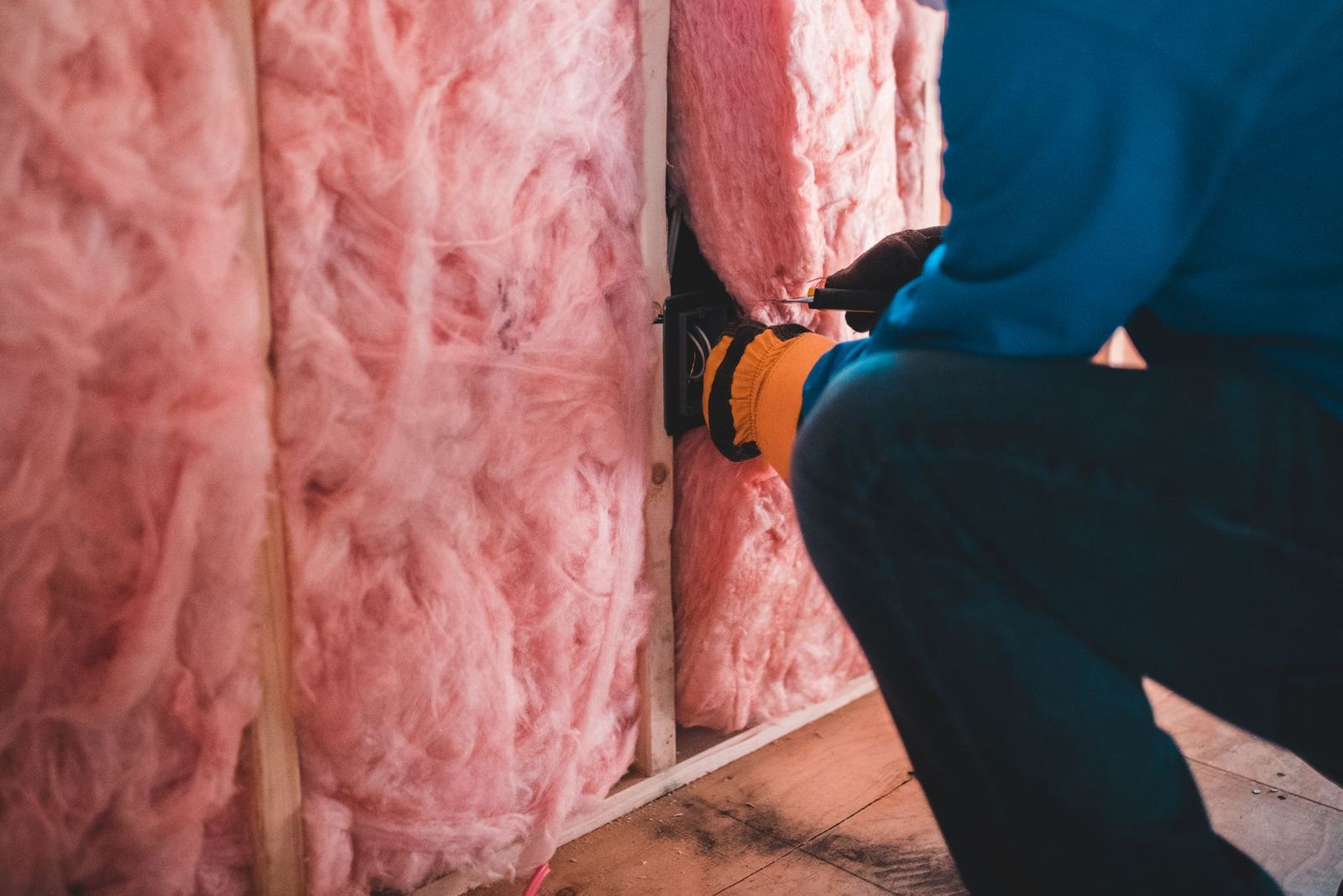
Insulation is the companion to sealing. A detailed look at home insulation covers R-values, the difference between loose-fill, batt and spray products, and why attics, rim joists and crawl spaces are usually the first places to treat. Because the right thickness depends on climate zone and building code, the explainer treats those as questions for a local energy office or contractor rather than a universal number.
Heating, Cooling and Hot Water
With the largest loads in mind, equipment is the next target. Heat pumps are the main efficiency story in this area. ENERGY STAR explains that because heat pumps move heat rather than converting it from fuel, as combustion heating systems do, an air source heat pump can deliver up to three times more heat energy to a home than the electrical energy it consumes. The EIA reports that approximately 13% of U.S. households used a heat pump as their main heating equipment in 2020, so the technology is established, though far from universal. Readers who want the mechanics can follow the explainer on how heat pumps work, including why the same machine can heat in winter and cool in summer.
Sizing and installation matter as much as the label. ENERGY STAR’s guidance says a system that is too large or too small for its space will struggle to meet comfort needs, and that a contractor should verify the size with a load calculation known as Manual J. Refrigerant handling and electrical connections are work for licensed professionals.
Cooling follows the same logic as heating. Shading windows that face the sun, closing blinds during the hottest hours, using ceiling fans to make a room feel cooler at a higher thermostat setting, and keeping outdoor condenser units clear of leaves and debris all lower the work an air conditioner has to do. Air conditioning has grown into one of the fastest-growing household energy uses, so these small habits carry weight, and the EIA’s electricity page lists air conditioning as the largest single share of residential electricity use nationally. Regular filter changes and an annual service visit by a qualified technician keep a system close to its rated efficiency.
Windows and doors sit between the envelope and the equipment. Worn weather stripping and cracked caulk are cheap to fix and are part of the air sealing job described above. Full window replacement is a bigger project, and for many older houses it ranks below attic insulation and air sealing in cost-effectiveness, so an audit report is the best guide to whether it belongs on the list at all.
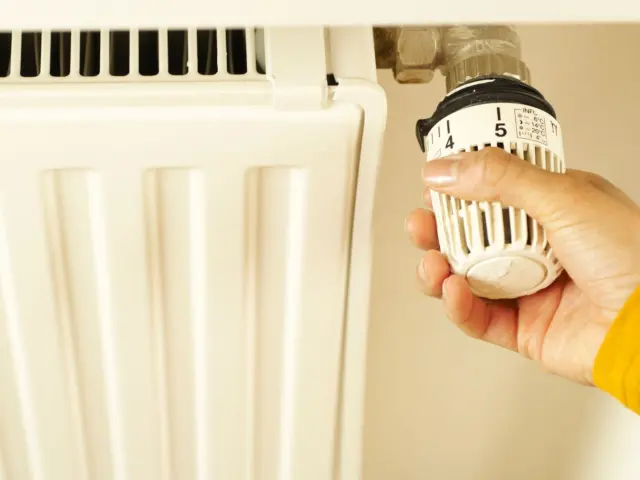
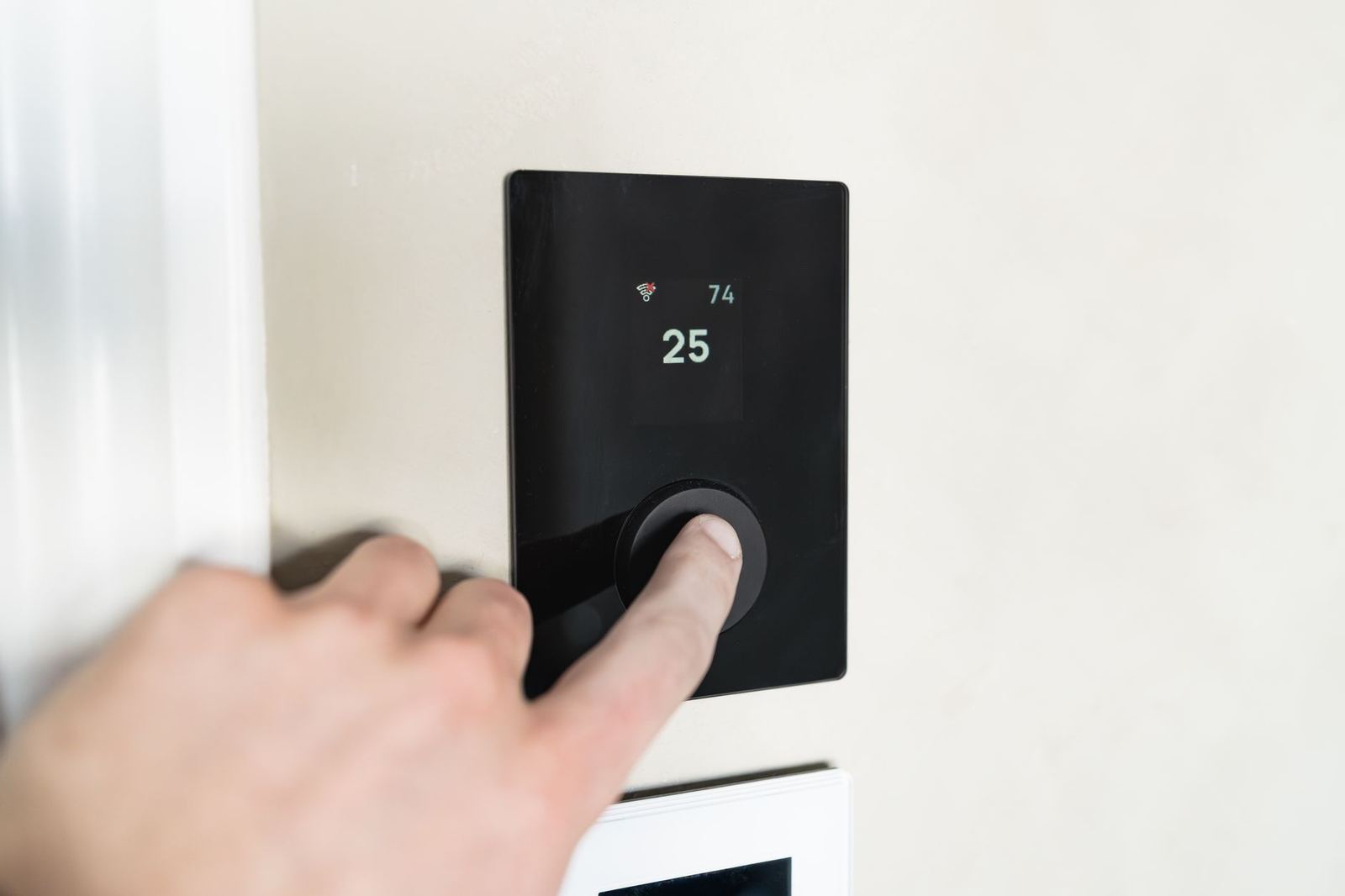
Controls come second. A thermostat that sets the system back when nobody is home reduces run time without any change in equipment. ENERGY STAR notes that a smart thermostat with geofencing can detect when you have left for the day to set back the HVAC system and save money on the heating or air conditioning bill. The explainer on smart thermostat savings compares scheduling, learning and geofencing features, and explains why savings depend heavily on how a household lives and what equipment it has.
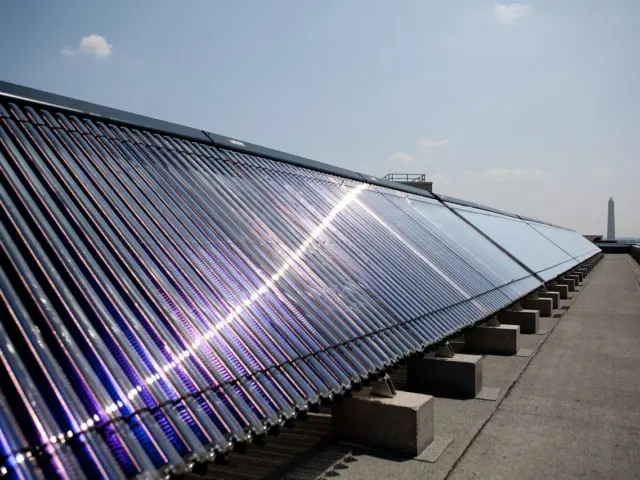
Hot water is the other large item. Besides the reduction in loads from shorter showers and efficient fixtures, the water heater itself can change. ENERGY STAR’s buying guide says an ENERGY STAR certified heat pump water heater uses 70% less electricity to make the same hot water as a standard electric model. A heat pump water heater works best in a space with enough air volume and needs a suitable electrical supply, so a licensed electrician or plumber should assess the site. Where sunshine is plentiful, a solar water heater offers another route, using roof collectors to preheat water instead of electric elements or gas; the explainer on collector types describes where each design makes sense.
Lighting, Appliances and Everyday Loads
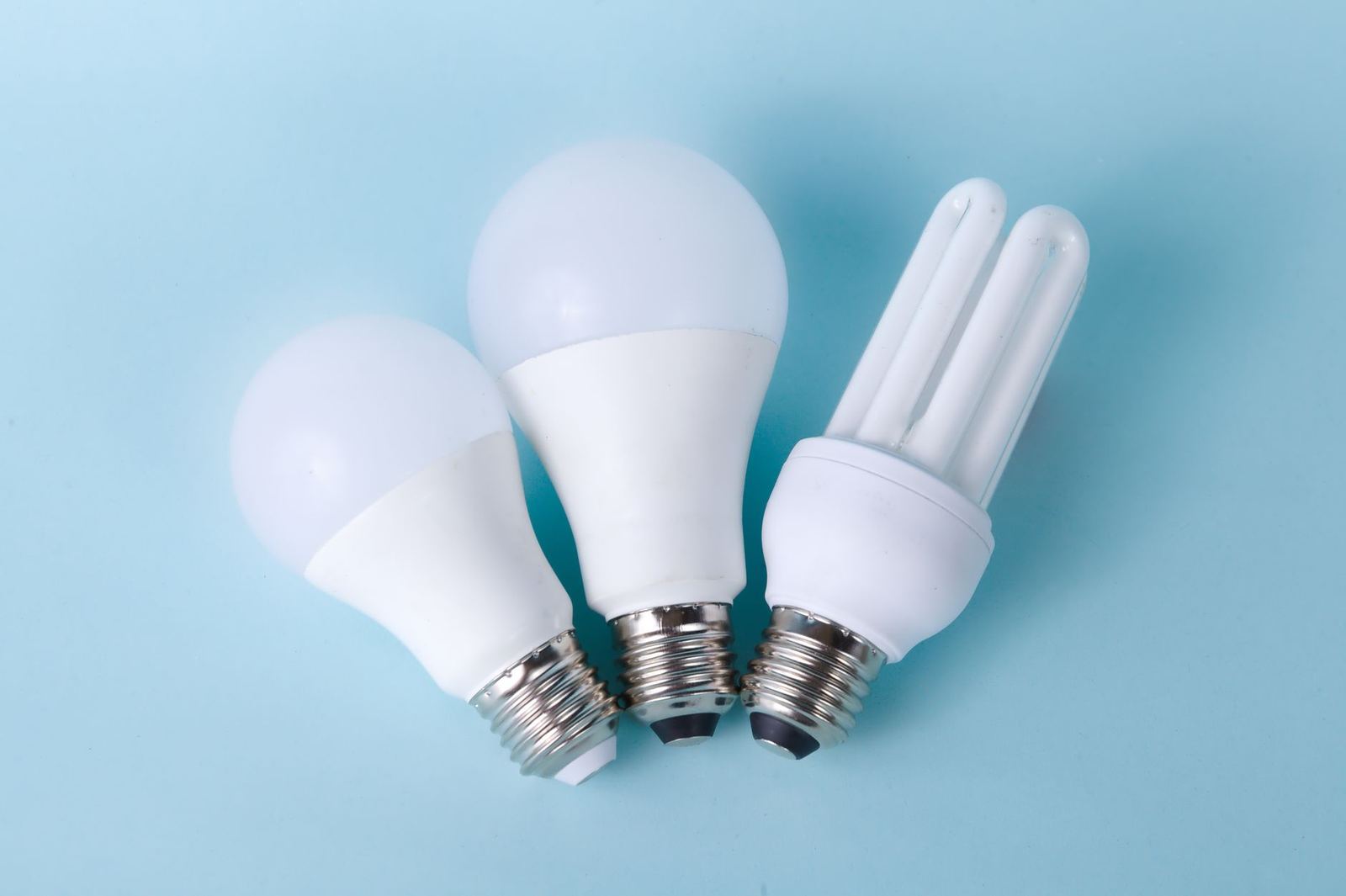
Lighting is the easiest category to change because the swap needs no tradesperson and no planning. ENERGY STAR’s bulb factsheet states that ENERGY STAR certified bulbs use up to 90% less energy than standard incandescent bulbs and last 15 times longer. The factsheet also reminds shoppers that brightness is measured in lumens rather than watts, and that a 60 watt incandescent bulb produces 800 lumens, so the right replacement is chosen by lumens. A deeper guide to LED lighting energy savings covers colour temperature, dimmer compatibility and which fixtures to prioritise.
Appliances are a bigger decision because they last longer and cost more. Refrigerators run around the clock, which is why the oldest unit in a house, and especially a second one kept for drinks, is worth checking for age and condition. The guide to energy efficient appliances explains how to read efficiency labels, compare annual consumption figures and weigh replacement against repair. A label comparison is only meaningful between products of similar size and type, so the explainer shows how to line up like with like.
Standby and miscellaneous loads add up quietly. Televisions, set-top boxes, chargers, game consoles and computers belong to the 23% group in the EIA breakdown above, and the group is growing as households add devices. Smart plugs and power strips can help cut idle draw for gear that does not need to stay on, though the saving per device is small and varies with the equipment.
Cooking, laundry and dishwashing are the remaining appliance habits worth a glance. Running full loads, using cold-water cycles where fabrics allow, and cleaning dryer lint traps are no-cost changes. When a dryer or range is due for replacement, comparing the efficiency of the available models is part of the same decision that the appliance explainer walks through.
Reading the utility bill is a free upgrade of its own. Electricity is billed in kilowatthours, and many suppliers now offer online usage charts or smart meter data that show when consumption peaks. Spotting a night-time baseline that is higher than expected often points to a device left running, an old freezer or a heating element on a timer, and it gives a measurable starting point for judging whether any later upgrade made a difference.
Behaviour changes are the cheapest of all, but they work best as a complement to the physical upgrades above. A closed fireplace damper, drawn curtains on summer afternoons, shorter showers and a thermostat that is a degree or two closer to the outdoor temperature each trim use without spending money. None of these replaces the structural fixes, because a draughty house with poor insulation will keep leaking whatever the occupants do.
Generating Your Own Power: Solar and Storage
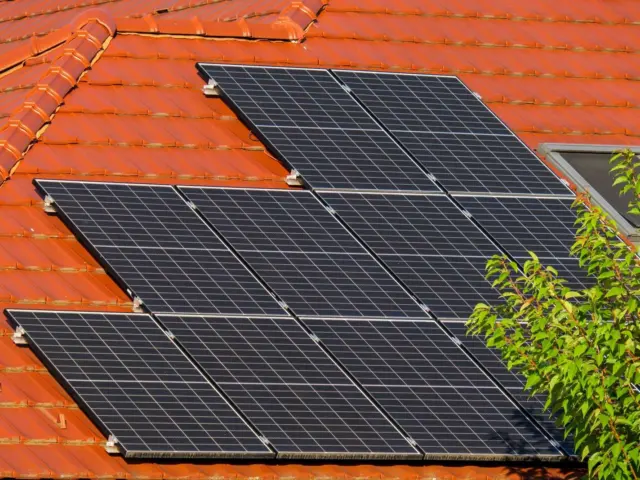
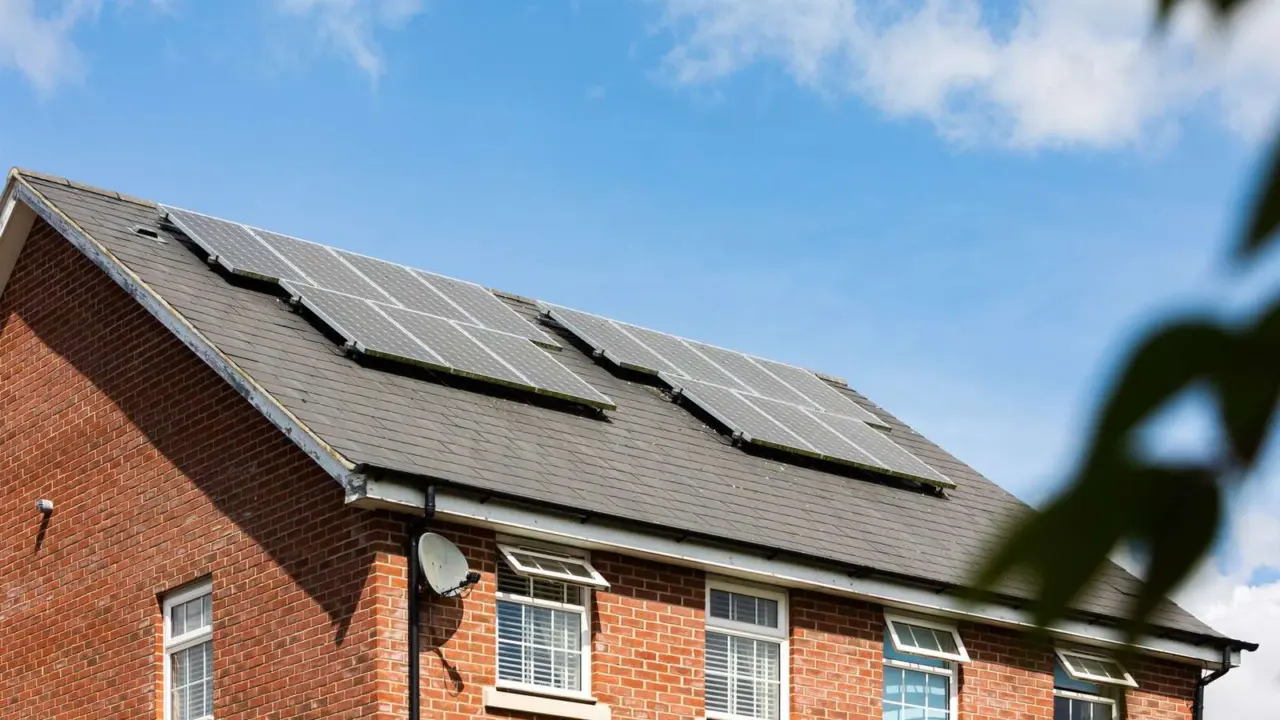
Once demand has been trimmed, generation becomes more attractive because a smaller load needs a smaller system. The EIA explains that most small-scale PV systems are located on buildings and are sometimes called rooftop PV systems, and that inverters convert the direct current from PV cells into the alternating current that homes use. The same page reports that about 93 billion kWh were generated by small-scale, grid-connected PV systems in the United States in 2025, which shows how common rooftop solar has become.
The practical sequence on the roof starts with a survey, a structural check, permits and a utility connection. A walk-through of rooftop solar installation explains what each stage involves and who is responsible for it. Because solar wiring connects to the household electrical system and to the grid, installation work must be done by licensed electricians or qualified installers, and local codes and utility rules decide what is allowed. This site does not list installers or recommend products.
A common question is how long a system takes to recover its cost. The article on the solar panel payback period shows how the estimate is built from system size, local electricity use, export credit rules and any incentives, and why two similar homes can reach very different answers. Prices, tariffs and incentives differ by country and change over time, so the explainer shows the method rather than quoting current offers.
Storage is the third piece. The EIA notes that PV systems can also charge a battery to provide electricity when the sun is not shining, for individual devices, single homes or electric power grids. A guide to home battery backup compares systems with and without solar panels, and explains the difference between a battery that keeps selected circuits running during an outage and one used mainly to shift consumption within the day. Batteries connect to the main electrical panel, so this is another job for licensed professionals.
Solar technology itself keeps changing. Thin, lightweight cells are already used where rigid glass panels would be too heavy or awkward, and the history of flexible solar cells shows how that approach grew from specialised aerospace uses. For most houses today, standard rigid panels remain the typical rooftop choice, but flexible designs hint at where building-integrated solar could go.
Household solar also sits inside a larger energy system. Wind, hydro, geothermal and bioenergy supply the grid alongside solar, and the comparison of renewable energy sources explains how each works, where it is strong and why the mix matters for the electricity a home buys. A household that has trimmed its demand first benefits from every one of those supply options, because each unit saved is a unit that never has to be generated or stored.
Putting the Steps in Order
An ordering helps because upgrades interact. Sealing and insulating first reduces the heating and cooling load, which lets a new heat pump be smaller and cheaper to run; fitting a large system into a leaky house wastes the investment. Solar and batteries go last for the same reason: sizing them to a trimmed load avoids paying for capacity that efficiency would have made unnecessary.
A sensible sequence for most households runs like this. Start with the audit, or a careful DIY walk-through, and gather recent energy bills so the biggest loads are visible. Fix air leaks and insulation next, with attention to ventilation and combustion safety. Replace heating, cooling and water-heating equipment when it reaches the end of its life, or sooner where a well-chosen system clearly cuts running costs. Change the lighting and the oldest appliances, which are low-risk jobs. Add controls that match the household’s routine. Only then size solar and storage to the reduced demand.
Renters and apartment dwellers face a different set of options, because the envelope, heating plant and appliances often belong to a landlord. Habits, bulbs, plug-in controls, draught excluders and a conversation with the property manager about larger items remain available. Because apartments tend to use far less energy for heating and cooling than detached houses, the appliance and electronics categories carry more weight in a flat.
Timing also matters. Equipment failures often force rushed decisions, so the best moment to plan a heat pump or water heater replacement is before the old unit fails. Maintenance is part of this: clean filters, serviced systems and clear vents keep efficiency close to its rated level. Households that rent can usually still change bulbs, controls and habits, and can ask landlords about the larger items.
Incentives and rebates can alter the order, but they vary by country, region and utility and change frequently. The sensible habit is to check with the local electric or gas utility and the relevant government energy office before committing, and to treat any figure seen elsewhere as out of date until confirmed. Nothing on this site is personal financial or tax advice.
Frequently asked questions
What is the single biggest way to cut household energy use?
For most homes the answer is heating and cooling, because those uses account for the largest share of energy. Reducing air leaks and improving insulation lowers that load, and efficient equipment then serves a smaller demand.
Do small changes like LED bulbs matter?
Yes, though they are modest next to heating and cooling. Bulbs are cheap, quick to change and low risk, so they make a good first step while larger projects are planned.
Should solar panels come before efficiency upgrades?
Usually not. Trimming demand first lets a household buy a smaller solar system and battery, so the order of efficiency, then equipment, then generation tends to make the most of each upgrade.
Can a homeowner do the work personally?
Some jobs suit a careful homeowner, such as caulking, weather stripping and changing bulbs. Anything touching gas appliances, flues, refrigerant lines, wiring or the main electrical panel should be done by licensed professionals.
Where can I find a qualified assessor?
The DOE consumer guide suggests asking the local electric or gas utility or the state or local government energy or weatherization office, which often keep lists of certified assessors.