Home battery backup is a rechargeable battery system that stores electricity and supplies a house during a grid outage, and it can be charged by rooftop solar panels, by the grid, or by both.
The topic sits inside the wider subject of home energy savings, where a battery is one of several ways to change how a household buys, stores and uses electricity.
How a home battery backup system works
A residential battery system is, in the words of the nonprofit Clean Energy Group, a rechargeable battery located in a home or apartment building that stores energy from other sources, such as rooftop solar panels, so it can be used later. The same document notes that battery systems can be charged from the electric grid or by on-site solar panels, which is why a battery can be added to a house whether or not it has solar.
Most systems rely on lithium-ion chemistry. A March 2019 post from the U.S. Department of Energy says lithium-ion batteries can store a lot of energy and hold a charge for longer than other kinds of batteries, the same reason the type is common in phones and vehicles. The cells are only part of the product: an inverter and control electronics decide when the battery charges, when it discharges and when the house switches over to it.
The state of New York’s home energy portal describes the hardware plainly: a box mounted on the wall or a small cabinet mounted outside the home, usually placed near the circuit breaker panel, on a garage wall, against the house or on a concrete pad. The units are self-contained, so nobody has to flip switches when the lights go out, and the installer typically watches the system remotely and flags maintenance needs.
That automatic switchover is the main point of backup. The National Fire Protection Association describes energy storage as able to give near instantaneous protection from power interruptions, the role an uninterruptible power supply plays for a computer, applied to a whole house or a chosen set of circuits.
Battery backup with solar panels
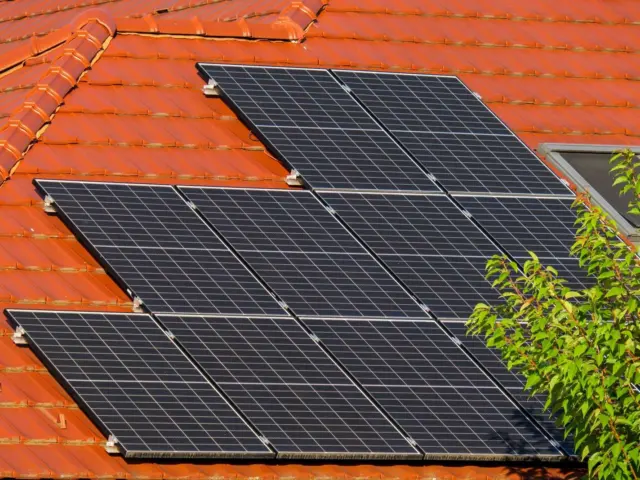
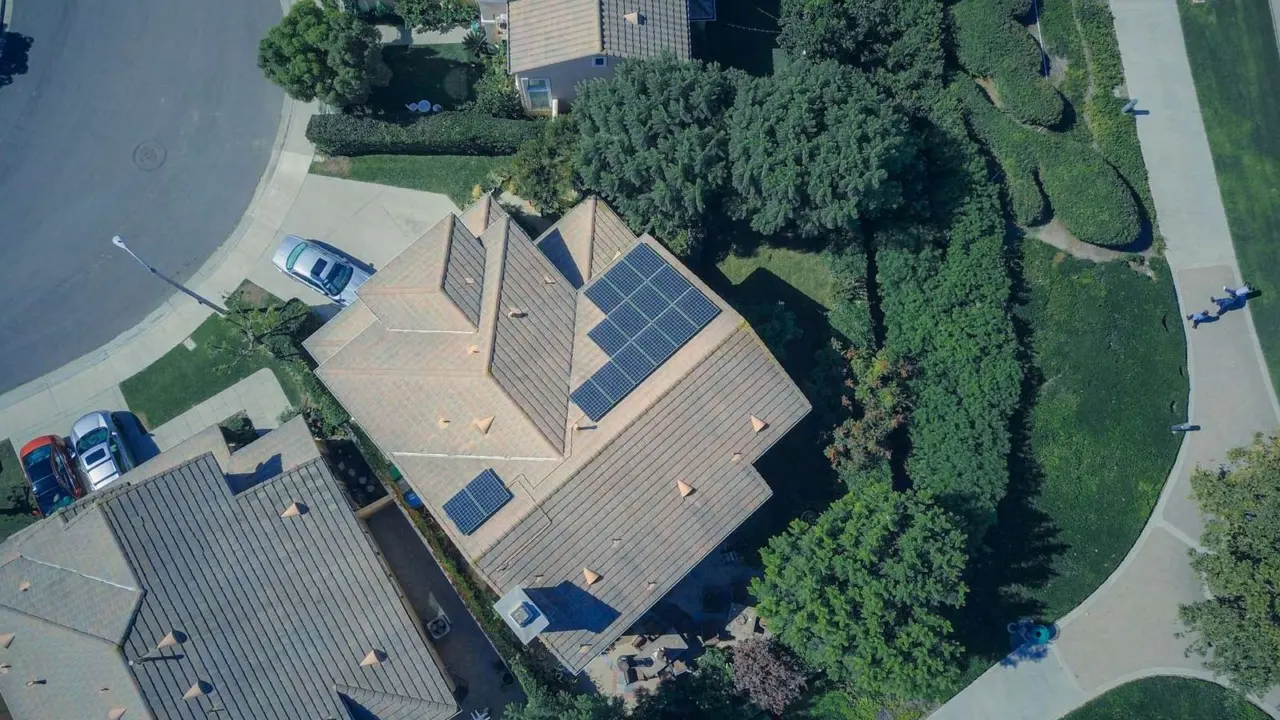
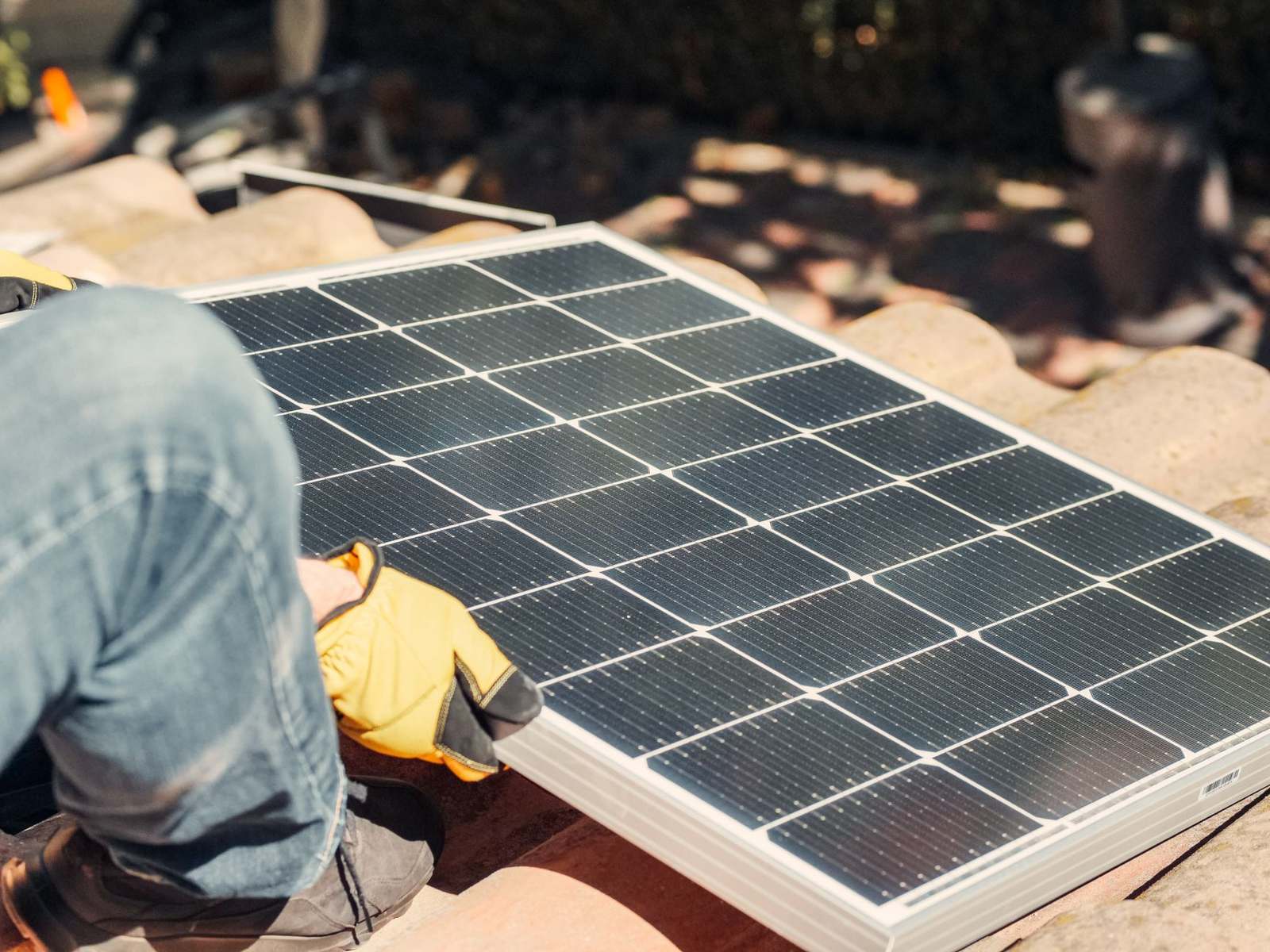
Pairing a battery with panels changes what the battery is for. Without panels, the stored energy has to come from the grid. With panels, daytime output that the house does not use can fill the battery instead of leaving, and the battery can supply the evening. Connecticut’s Green Bank notes that batteries work even better when added to a solar PV system, since they can recharge with the sun’s energy.
New York’s portal sets out the routes: start with solar panels and add a battery later, add a battery to existing panels, or get both in one project. It also points out that most homes with solar plus storage stay connected to the grid, which keeps the utility available as a source.
The outage case is where the pairing matters most. The Department of Energy’s resilience pages describe a scenario in which solar systems with battery storage automatically detect the loss of grid power and switch to an islanded mode to keep the power on, and reconnect when the utility restores service. The same pages say that stored solar electricity can be used without fuel deliveries, unlike the diesel generators that are the most common emergency backup, and that in a long outage solar plus storage can keep delivering power even at night.
Battery backup without solar panels
A battery does not need panels to work as backup. The grid charges it while power is available, and it discharges when power is lost. The Clean Energy Group document lists the grid as a normal charging source alongside rooftop solar, so a house with a shaded roof, a rented home with an owner’s approval, or a household that simply has no panels can still hold a reserve.
The trade-off is recharging. After a long outage, a battery that has no panels can only be refilled once the grid returns, while a battery with panels can top up from sunlight on the following day. Connecticut’s Green Bank makes the relationship explicit: the larger the battery, the longer it will power appliances and lights without recharging from solar PV or the home’s power supply. A solar-free battery therefore leans entirely on battery size and on how sparingly the household draws from it.
Outside outages, a grid-charged battery can also shift when a household draws power. The NFPA fact sheet describes drawing power from the batteries during the higher-cost daytime hours and recharging during the lower-cost nighttime hours, a practice it calls peak shaving. Whether that matters to a particular household depends on its utility’s rate structure, which differs by country and provider.
The New York portal frames the practical advantage over a generator: backup storage can run important needs like heat, refrigeration and lighting and keeps the home safe and comfortable without burning a fossil fuel.
Sizing: energy, power and priorities
Separate measures describe a battery, and both affect what it can run. The Department of Energy’s storage basics separate energy capacity, the total amount of energy that can be stored, usually in kilowatt-hours, from power capacity, the amount that can be released at a given time, usually in kilowatts. A battery with generous energy capacity but modest power capacity can run a few loads for a long time; one with high power capacity can start more equipment at once but drains sooner.
The same page adds that storage is never 100% efficient, because some energy is lost in converting it and retrieving it. Usable backup is therefore somewhat less than the energy that went in.
Sizing starts with a list rather than a product. Connecticut’s Green Bank says a contractor looks at the appliances, lighting or priority equipment to be powered in an outage to work out how much power is needed. New York’s list of questions to put to a contractor includes which circuits or appliances can be backed up during a grid outage, plus how long the battery will last and what warranty applies.
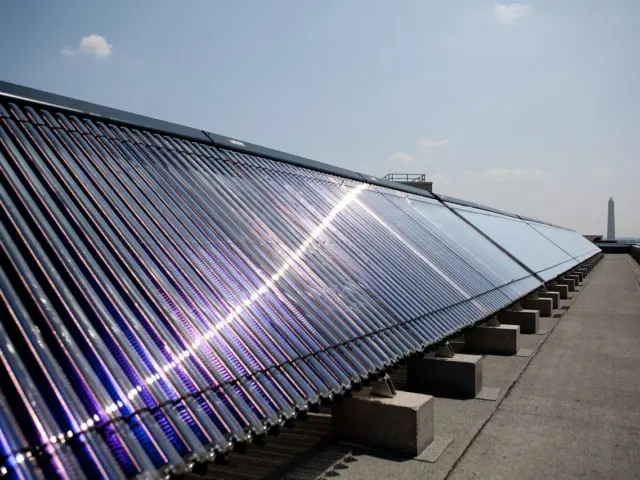
Heat appears on New York’s list of important needs, and the guide on how heat pumps work covers how electric heating and cooling equipment operates, which helps when deciding what belongs on the priority list. Hot water is another candidate load, and a solar water heater supplies it from collectors rather than from stored electricity.
Which loads a battery can carry in an outage is a design decision made with an installer, not a fixed property of the battery. Medical equipment, refrigeration and a few lights are the usual first picks, and Connecticut’s fact sheet names lights, small appliances and medical equipment as examples of what a battery can keep running without an onsite generator.
Vehicle batteries as another store
Some electric vehicles can send power back out, which makes the car itself a possible backup store. The Department of Energy’s Federal Energy Management Program, which writes for federal facilities, notes that the size of a light-duty EV battery makes individual bidirectional units ideal for smaller applications such as individual buildings. Whether a given vehicle and charger can feed a house is a compatibility question for the manufacturer and a qualified installer.
Safety and installation
The sources treat home batteries as a managed risk rather than a zero-risk device. New York’s portal states that safety risks cannot be reduced to zero and that electrical and fire codes and industry standards set the minimum requirements that must be met. Those codes, not the owner, govern where a unit may sit and how it is connected.
The main hazard is thermal runaway, which the NFPA defines as the rapid uncontrolled release of heat energy from a battery cell. The NFPA fact sheet says anyone installing an energy storage system in new construction or a renovation should review NFPA 855, the installation standard, and that a battery management system should monitor and control the modules. Its closing note advises readers to consult a competent professional, which in practice means a qualified contractor who handles the electrical connection, permits and inspection.
If a battery is damaged by fire, the Environmental Protection Agency’s January 2025 fact sheet gives direct instructions. It warns that lithium-ion batteries can spontaneously re-ignite, explode and emit toxic gases even after the fire is out. On a popping or hissing sound, smoke or fire, it says to leave immediately, not to try to extinguish or smother the battery, and to move upwind at least 330 ft and call 911. It also says not to use or start a fire-damaged residential energy storage or house battery.
Choosing between the two setups
Each setup answers a different problem. Panels with a battery serve a household that wants lower grid use and a refillable reserve, and the Department of Energy notes that many solar owners want to connect a battery to use that energy at night or during a power outage. A battery alone serves a household that mainly wants outage cover, or that cannot host panels.
Price and incentive questions belong with local quotes and local rules, since costs and programs differ widely by country and change often. This page therefore gives no prices. The questions that carry over everywhere are which loads must stay on, how long they must run, where the unit can safely sit, and whether the system can recharge from anything other than the grid.
Frequently asked questions
Does a home battery work without solar panels?
Yes. A battery can be charged from the grid, and Clean Energy Group lists the grid and on-site panels as normal charging sources. The limit is recharging during a long outage, since only the grid or panels can refill it.
Can a battery run an entire house?
That depends on the battery’s energy and power capacity and on which circuits the installer connects to it. New York’s portal and Connecticut’s Green Bank both direct readers to a contractor to decide which loads to back up.
Is a home battery safe to have indoors or in a garage?
Placement is governed by electrical and fire codes, and the NFPA points installers to NFPA 855. Where a unit goes, and how it is connected, is a question for a qualified contractor and the local permitting authority.
What should a household do if a battery is damaged in a fire?
The EPA’s January 2025 fact sheet says not to use a fire-damaged home battery and not to try to put out a battery that is hissing or smoking. It says to leave the area and call 911.