Understanding how heat pumps work starts with one idea: they move existing heat from one place to another instead of burning fuel or running a resistance element to make it. In winter the heat travels indoors, and in summer it travels outdoors.
This guide explains the mechanism in plain terms and sits inside the wider topic of home energy savings, where heating and cooling are usually the largest household uses.
The core idea: moving heat rather than making it
A heat pump uses technology similar to a refrigerator or an air conditioner, according to the International Energy Agency (IEA). A refrigerator pulls heat out of its cold interior and pushes it into the kitchen. A heat pump does the same job on the scale of a whole building, and it can be pointed in either direction.
The US Environmental Protection Agency puts it simply: heat pumps do not create heat, they transfer it from one place to another. Even cold outdoor air still contains heat energy, so a heat pump can collect that energy, concentrate it and release it inside the home. Because the electricity is spent on moving heat rather than generating it, the heat delivered can exceed the electricity consumed.
That is the reason heat pumps are often described as efficient heating technology. It is also the reason they belong in any plan to reduce household energy use, alongside measures such as sealing leaks and upgrading insulation.
The refrigeration cycle step by step
Inside every heat pump a refrigerant circulates in a closed loop. The IEA notes that the machine consists of a compressor that moves the refrigerant through a refrigeration cycle, and a heat exchanger that extracts heat from the source. A second heat exchanger then passes the heat on to wherever it is needed. In heating mode the cycle runs as follows.
- Evaporation outdoors. The refrigerant is a fluid that boils at a very low temperature. Passing through the outdoor coil, it absorbs heat from the air and turns into a gas, even when the air feels cold to people.
- Compression. The compressor squeezes that gas. Compressing a gas raises its temperature, so the refrigerant leaves the compressor much hotter than the outdoor air it started from.
- Condensation indoors. The hot gas flows through the indoor coil, where it gives up its heat to the air or water of the building and condenses back into a liquid.
- Expansion. The liquid passes through an expansion device that drops its pressure and temperature sharply, so it is cold enough to collect more heat when it returns outdoors.
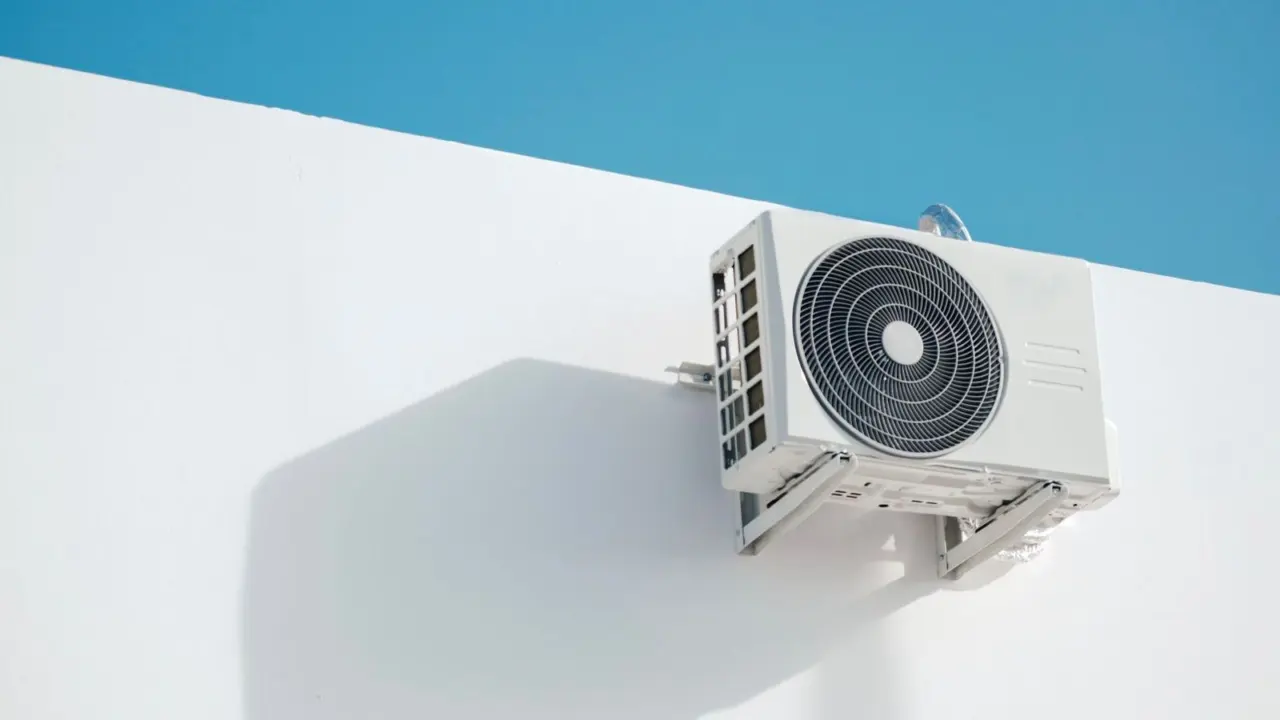
ENERGY STAR describes the same sequence for ductless systems: the outside unit extracts heat from the air, even when it is cold, and refrigerant carries the heat directly to the indoor units, which deliver warm air to the room.
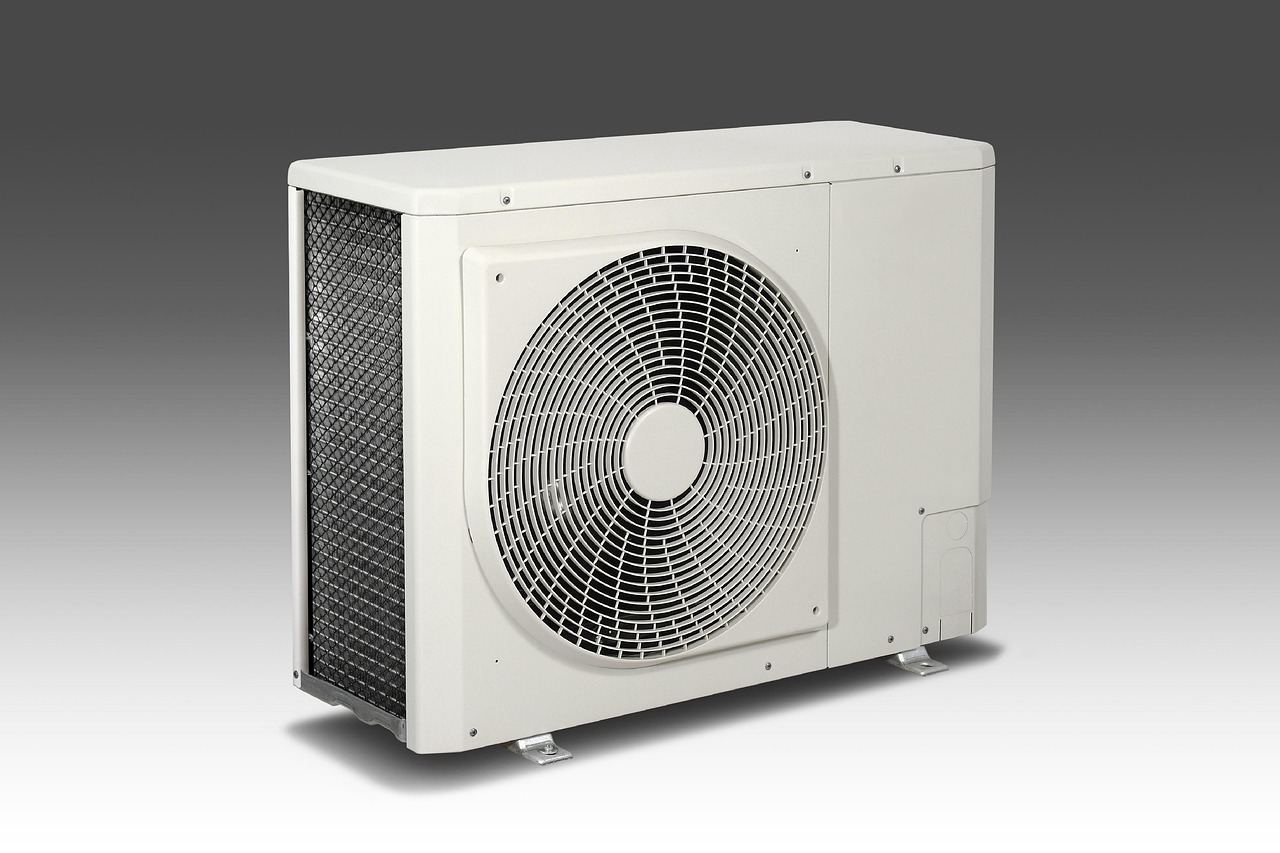
The refrigerant circuit is sealed and pressurised. Handling or recharging it is a task for a licensed technician, never a household project.
Heating and cooling with the same equipment
A heat pump becomes an air conditioner when the flow is reversed. The EPA says that most heat pumps can cool a house by operating in reverse, removing heat from the indoors. A valve in the refrigerant circuit swaps the roles of the two coils: the indoor coil becomes the cold one that absorbs heat from the rooms, and the outdoor coil becomes the hot one that releases it outside.
The IEA adds that many heat pumps can also provide space cooling in summer in addition to meeting space heating needs in winter. For a household this means a single system can replace a separate furnace or boiler and a separate air conditioner. ENERGY STAR says of ducted models that it helps to think of a ducted unit as a central air conditioner that also works in reverse to provide whole-house heating in winter.
Heat can then be delivered in different ways. According to the IEA, in buildings it is delivered using either forced air or hydronic systems such as radiators or under-floor heating. Forced air suits homes that already have ducts, while water-based distribution suits homes built around radiators or heated floors.
What efficiency figures actually mean
Efficiency for a heat pump is usually expressed as a coefficient of performance (COP): useful heat delivered divided by electricity used. As of the IEA’s 2022 report, the COP for a typical household heat pump is around four, meaning the heat output is about four times the electrical energy used to run it.
US guidance is more cautious about what a home might see. As of the current ENERGY STAR air-source heat pump page, an efficient unit can deliver up to three times more heat energy to a home than the electrical energy it consumes. The difference between the figures reflects different test conditions, climates and equipment, and neither is a promise for a particular house.
The EPA states that a heat pump typically uses about half the energy of other electric home-heating sources. For ductless models, ENERGY STAR reports that certified mini splits use up to 60% less energy than standard home electric radiators, as of the current page. These comparisons concern electric heating. How a heat pump compares with gas, oil or propane depends on local fuel and electricity prices, which vary by country and by month, so no single cost figure applies everywhere.
Efficiency also changes with the weather. The colder the outdoor air, the harder the machine has to work to lift heat to a useful temperature, so the COP in mid-winter is lower than the COP in mild spring weather. Seasonal figures average this out across a whole heating season, which is why a seasonal rating is a better guide than a single peak number.
Main types of heat pump
The refrigerant cycle is the same in every type. What differs is the source the heat is collected from and how it is distributed inside.
- Air-source, ducted. Heat is exchanged with outdoor air and delivered through the existing forced-air ducts. ENERGY STAR notes that a central unit can use pre-existing ductwork in your home, which makes installation easier.
- Air-source, ductless (mini-split). The EPA lists these as an option for homes without existing ducts, with indoor units mounted on walls or ceilings and an outdoor unit connected by refrigerant lines.
- Ground-source or water-source. These exchange heat with the ground or a body of water, whose temperature is steadier than the air. The EPA observes that although they cost more to install, geothermal heat pumps have low operating costs.
Air-source systems are the most widespread choice because they need no ground works. Ground-source systems require more land or a deeper installation, which is part of why their upfront cost is higher.
Sizing, cold climates and upkeep
Capacity matters as much as the technology. The EPA warns that a system that is too large or too small can reduce energy efficiency and potentially increase maintenance costs. An oversized unit tends to switch on and off in short bursts, while an undersized one cannot keep up on the coldest days.
ENERGY STAR recommends that a contractor verify the correct size using a calculation called Manual J that estimates how much heating and cooling a home needs. That calculation depends on the building itself, which is one reason a home energy audit can be a sensible first step: a tighter, better insulated house needs a smaller machine.
Cold weather is a common worry. As of ENERGY STAR’s current guidance, its certification for cold-climate units requires third-party verified performance at low temperatures, testing air-source heat pumps down to 5°F. The same page adds that such a unit keeps working below that temperature, and that pairing it with a back-up heat source heats the home most efficiently when it gets colder still. A contractor can advise which model suits a given climate.
Upkeep is modest but regular. The EPA advises having a professional technician service the heat pump at least once a year, in line with the manufacturer’s instructions. Electrical connections and refrigerant work are jobs for qualified installers and technicians, and local codes may also require permits.
How a heat pump fits with the rest of a home
A heat pump runs on electricity, so it changes when and how much power a home draws. Households that add solar panels or a battery should think of the heat pump as a large, predictable load. Readers weighing resilience during outages can read about home battery backup, which covers what stored power can and cannot run.
The ordering of upgrades matters too. Reducing heat loss first, through insulation and air sealing, lowers the size of the heat pump required. Choosing equipment then becomes a matter of matching a smaller load with the right type and capacity, with the sizing calculation done by a qualified contractor rather than guessed.
Because incentives, tax credits and electricity tariffs differ between countries and change over time, check the current programme of the relevant national or regional authority before relying on any figure. Official bodies such as ENERGY STAR in the United States list current rebates on their own sites.
Frequently asked questions
Does a heat pump create heat?
No. A heat pump relocates heat that already exists, using electricity to run the compressor and fans. The refrigerant collects heat on one side and releases it on the other.
Can a heat pump also cool a house?
Yes. A valve reverses the refrigerant flow so the indoor coil absorbs heat from the rooms and the outdoor coil rejects it. The same equipment therefore provides heating in winter and cooling in summer.
Do heat pumps work in cold weather?
Many modern units do. ENERGY STAR tests cold-climate air-source heat pumps down to 5°F, as of its current guidance, and suggests a back-up heat source for colder conditions. A local contractor can advise on a suitable model.
Can I install or recharge a heat pump myself?
No. Refrigerant handling and electrical connections are work for licensed professionals. ENERGY STAR describes mini splits as professionally installed, and the EPA recommends annual servicing by a technician.