Energy efficient appliances do the same job with less electricity or gas, and three labels help shoppers compare models before buying: ENERGY STAR, the US EnergyGuide and the EU energy label.
Appliances are one slice of a household’s energy use, and the home energy savings overview sets them beside heating, cooling, lighting and insulation.
Where appliances sit in household energy use
The US Energy Information Administration (EIA) reports that in 2020 the three largest residential electricity end uses were air conditioning at 19% of site electricity consumption, with space heating and water heating at 12% each. The same page says lighting and refrigerators are used in nearly every home and are the next two largest electricity end uses.
Refrigerators show why a single appliance matters. According to EIA, 99% of US homes have a refrigerator and 34% had two or more in 2020. The most-used refrigerator cost about $87 on average to operate in 2020, and the second refrigerator cost about $66. Separate freezers cost $74 per year to operate on average. All of these are US dollar figures. These are national averages from a page last updated December 18, 2023, so the figure for any one household depends on the model, its age and local electricity prices (EIA, Use of energy explained).
What the ENERGY STAR label tells you
ENERGY STAR is the best-known efficiency mark in the United States. The programme says that products carrying the label are independently certified to meet strict standards for energy efficiency. A certified model meets a specification for its product category, and the programme keeps a separate tier above it: the dishwasher page describes ENERGY STAR Most Efficient as recognition for products with cutting-edge efficiency.
The margin over the legal minimum varies by category. ENERGY STAR’s refrigerator page says certified refrigerators are about 9 percent more energy efficient than models that meet the federal minimum standard, and it lists September 15, 2014 as the effective date of the current specification. The same page adds that, on average, an old refrigerator uses about 20% more energy than a model that has earned the ENERGY STAR, and that a retired unit should be recycled when a new one arrives.
Reading the EnergyGuide label in the United States
The yellow EnergyGuide label is a separate system from ENERGY STAR. Its contents are set by the Federal Trade Commission’s Energy Labeling Rule, published in the Code of Federal Regulations on eCFR. For clothes washers, for example, the rule says labels must disclose estimated annual operating cost for both electricity and natural gas, and must also give the model’s estimated annual energy consumption.
The label also carries a comparison scale. Under the same rule, the position of a labelled product on the scale is proportionate to the lowest and highest estimated annual operating costs for that product type, so a model near the low end costs less to run than most similar models. The label says to compare only with other labels that have yellow numbers, because those are based on the same test procedures.
Two limits are worth knowing. The cost on the label is calculated with a representative average unit energy cost listed in the rule’s appendices, not a household’s own tariff, so it ranks models better than it predicts a bill. And the rule text on eCFR says the Commission shall publish revised ranges in the Federal Register in 2027, which means the scale on a label reflects the ranges in force when it was printed. The rule also allows manufacturers of certified products to place the ENERGY STAR logo on the EnergyGuide label (eCFR, Energy Labeling Rule).
Reading the EU energy label
The EU energy label uses a letter scale, and it changed in recent years. A European Commission news article dated 11 March 2019 explains that in 2017 the EU agreed to move from the A+++ to G scale back to a plain A to G scale. It notes that a product showing an A+++ class could, for example, become a B class after rescaling, without any change in its energy consumption.
A later Commission article, dated 13 August 2020, says rescaled labels for dishwashers, washing machines, refrigerators and electronic displays would be visible in shops as of 1st March 2021, and labels for lamps as of 1st September 2021. It adds that the A category would be empty at first, leaving room for more efficient models to be developed. Each label has a QR code that opens the product’s entry in the European Product Registry for Energy Labelling, called EPREL, and the label itself is language neutral because the EU has 24 official languages (European Commission, 13 August 2020).
The three labels side by side
| Label | Where it applies | What it tells a shopper |
|---|---|---|
| ENERGY STAR | United States | The model is independently certified against the programme’s specification for its product category |
| EnergyGuide | United States, for products covered by the Energy Labeling Rule | Estimated yearly operating cost and where the model sits on a comparison scale for its type |
| EU energy label | European Union | A letter class on an A to G scale, with a QR code linking to the EPREL product entry |
Table notes: the US rows summarise the Energy Labeling Rule and ENERGY STAR’s programme description, and the EU row summarises the European Commission’s guide to the new labels.
Comparing models appliance by appliance
Refrigerators and freezers
Capacity and the number of units matter as much as the label. A second refrigerator or separate freezer adds its own running cost, as EIA’s averages above show, and a label comparison only works between models of a similar size and type. Compare the label on the exact configuration being considered, such as top-freezer or side-by-side, instead of a different layout in the same range.
Clothes washers
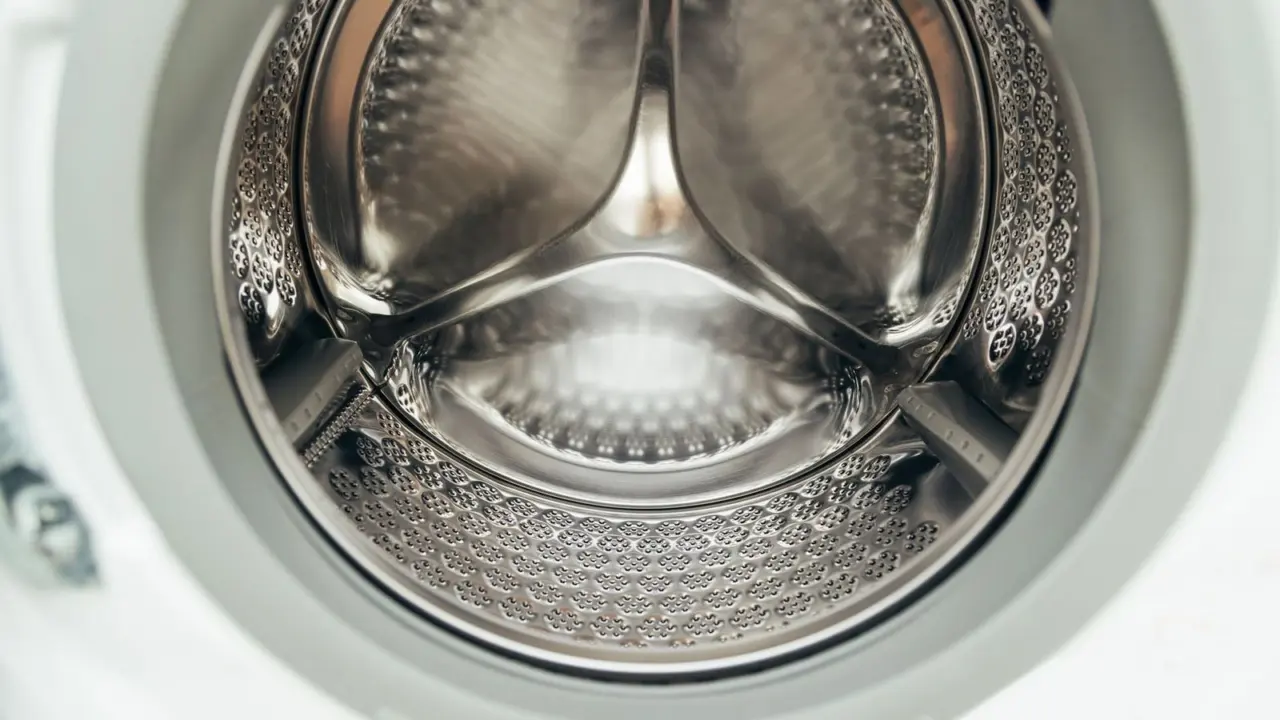
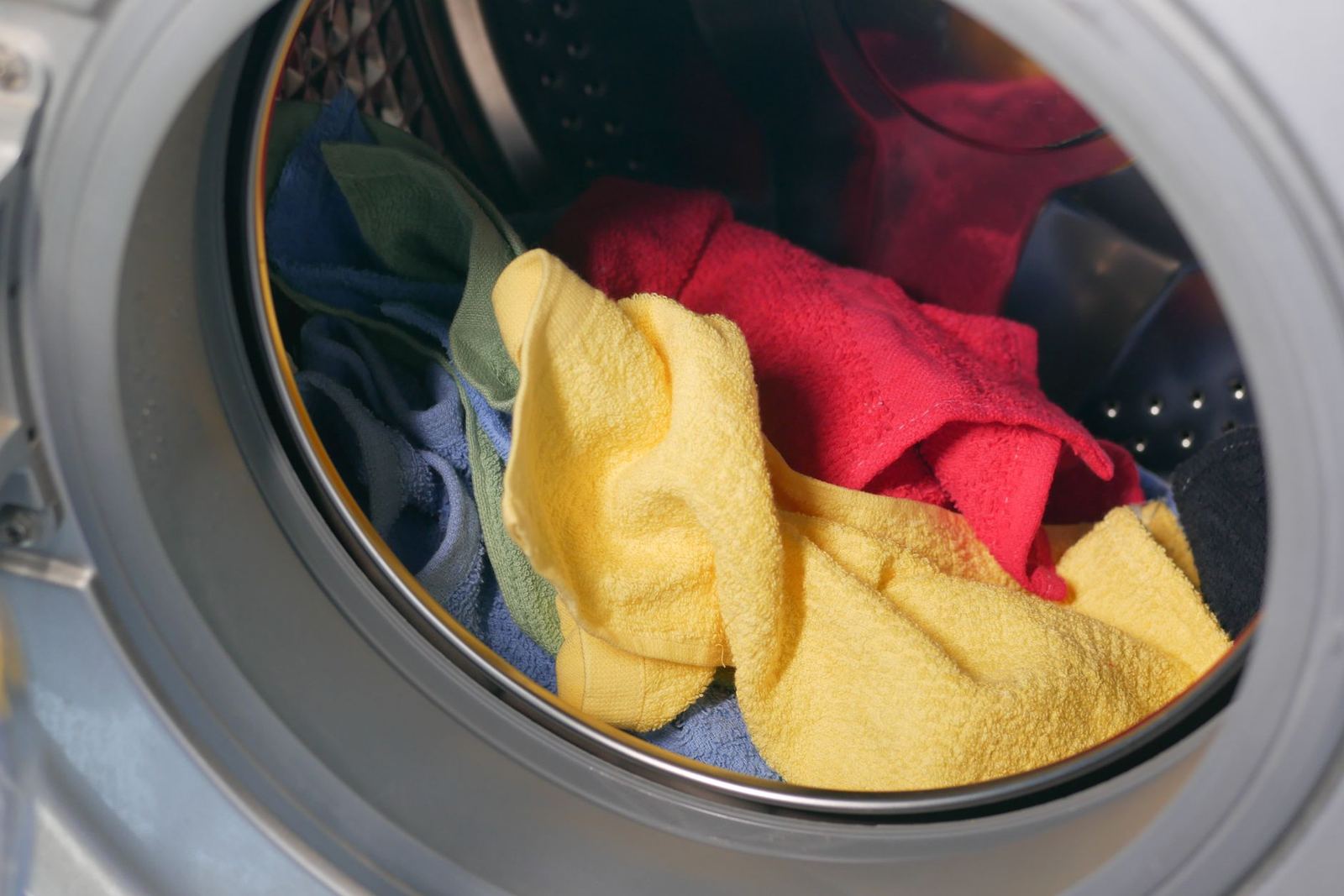
For washers, ENERGY STAR advises choosing a model with a high Integrated Modified Energy Factor (IMEF) and a low Integrated Water Factor (IWF), the two metrics on its clothes washer page. That page says certified washers use about 20% less energy and about 30% less water than regular washers, that certified front load washers use about 50% less energy and water than a top load agitator washer, and that front loaders are still about 25% more energy and water efficient than a top load impeller washer. It also says water heating consumes about 90% of the energy needed to run a washer, so the temperature setting is the main lever on a washer’s energy use.
Dishwashers
According to ENERGY STAR’s dishwasher page, a new certified dishwasher uses less than half as much energy as washing dishes by hand, and the current specification took effect on July 19, 2023. The page’s habits are simple: scrape plates instead of rinsing them, because rinsing before loading increases the total water and energy used; run full loads, because a dishwasher uses about the same energy and water whatever the number of dishes inside; and use the option to turn off heated dry where the machine offers one.
Clothes dryers
ENERGY STAR says about 80 percent of American homes have a clothes dryer, which makes the category a large pool of energy use. Heat pump dryers use around 70% less energy than a conventional clothes dryer, according to the same page, and they recirculate their air instead of releasing it through a vent to the exterior of the home. Whatever the type, the page advises cleaning the lint filter after every load to keep air moving and the dryer efficient.
Fitting appliance choices into the wider picture
EIA’s breakdown ranks cooling, space heating and water heating above lighting and refrigerators in residential electricity use, so appliance upgrades sit alongside other measures instead of replacing them. Draught-proofing and home insulation reduce the load on heating and cooling equipment, and scheduling guidance such as smart thermostat savings addresses the same large end uses from the control side.
Labels work best as a way to rank models of the same kind, and they leave the timing of a replacement to the household.
Frequently asked questions
Is ENERGY STAR the same thing as an EnergyGuide label?
No. ENERGY STAR is a certification mark for models that meet a programme specification, while EnergyGuide is a standard comparison label whose layout comes from federal rules. A model can carry one without the other.
Does an A on the EU label mean the same as an old A+++?
Not necessarily. The classes before and after the rescale sit on different scales, so labels should be compared only within the same generation of label.
Will the label tell me what an appliance will cost me to run?
It gives an estimate built on standard test conditions and average energy prices. Real running costs depend on how often the appliance is used, the settings chosen and what the local utility charges.
Should a working appliance be replaced to save energy?
That is a household decision that depends on the appliance’s condition, local energy prices and any local programmes. The labels and figures above help compare models; they do not settle whether to buy.