Smart thermostat savings come from running heating and cooling less when nobody needs them. A connected thermostat automates schedules and setbacks, and certified models have to prove a measured cut in system run time.
This guide explains how that works, what the published evidence shows and where results vary. It sits within the wider home energy savings picture of where a household uses energy and how to reduce it.
Features a smart thermostat adds to a basic one
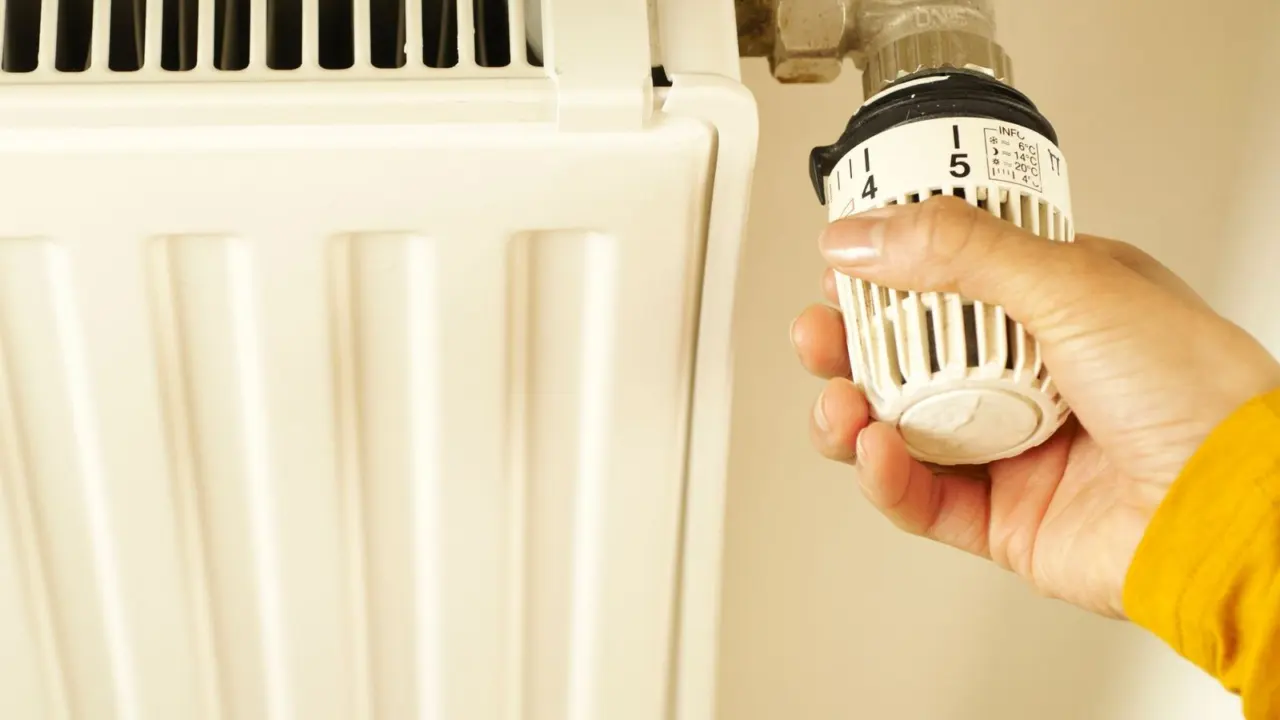
A basic thermostat holds one target temperature until someone changes it. A smart thermostat is described by ENERGY STAR as a Wi-Fi enabled device that automatically adjusts heating and cooling temperature settings in the home. The programme says certified models earn the label by being independently certified, based on actual field data, to deliver energy savings.
The same ENERGY STAR page lists the features that matter most for energy use. Some models learn preferences and build a schedule that moves to energy-saving temperatures during sleep or absence. Geofencing lets the device sense when occupants are leaving or heading back, so it can set the system back and then restore comfort. Remote control through a phone lets someone correct a forgotten setting from anywhere with a connection.
Insight is the less obvious feature. ENERGY STAR notes that smart thermostats provide equipment use and temperature data that a household can track and manage. Seeing how long the system ran each month turns an invisible habit into something that can be adjusted.
Heating and cooling dominate household energy use
Temperature control is worth attention because space conditioning dominates household energy use. The U.S. Energy Information Administration reports that on average more than half of a household’s annual energy consumption, 52% in 2020, goes to space heating and air conditioning, according to its Energy Explained page on energy use in homes.
ENERGY STAR frames the same point in money terms for the United States. On its smart thermostat page, the programme says almost half of the annual energy bill of the average American household goes to heating and cooling, more than $900 a year. That page is undated, so the figure is best read as ENERGY STAR’s general estimate in U.S. dollars rather than a number for any single year or home.
Because heating and cooling are such a large share, even a modest percentage cut in how long the equipment runs matters more than a comparable cut in a smaller load. This is the same logic that applies to the other upgrades covered on this site, such as choosing energy efficient appliances, although thermostat settings are usually among the cheapest levers to adjust.
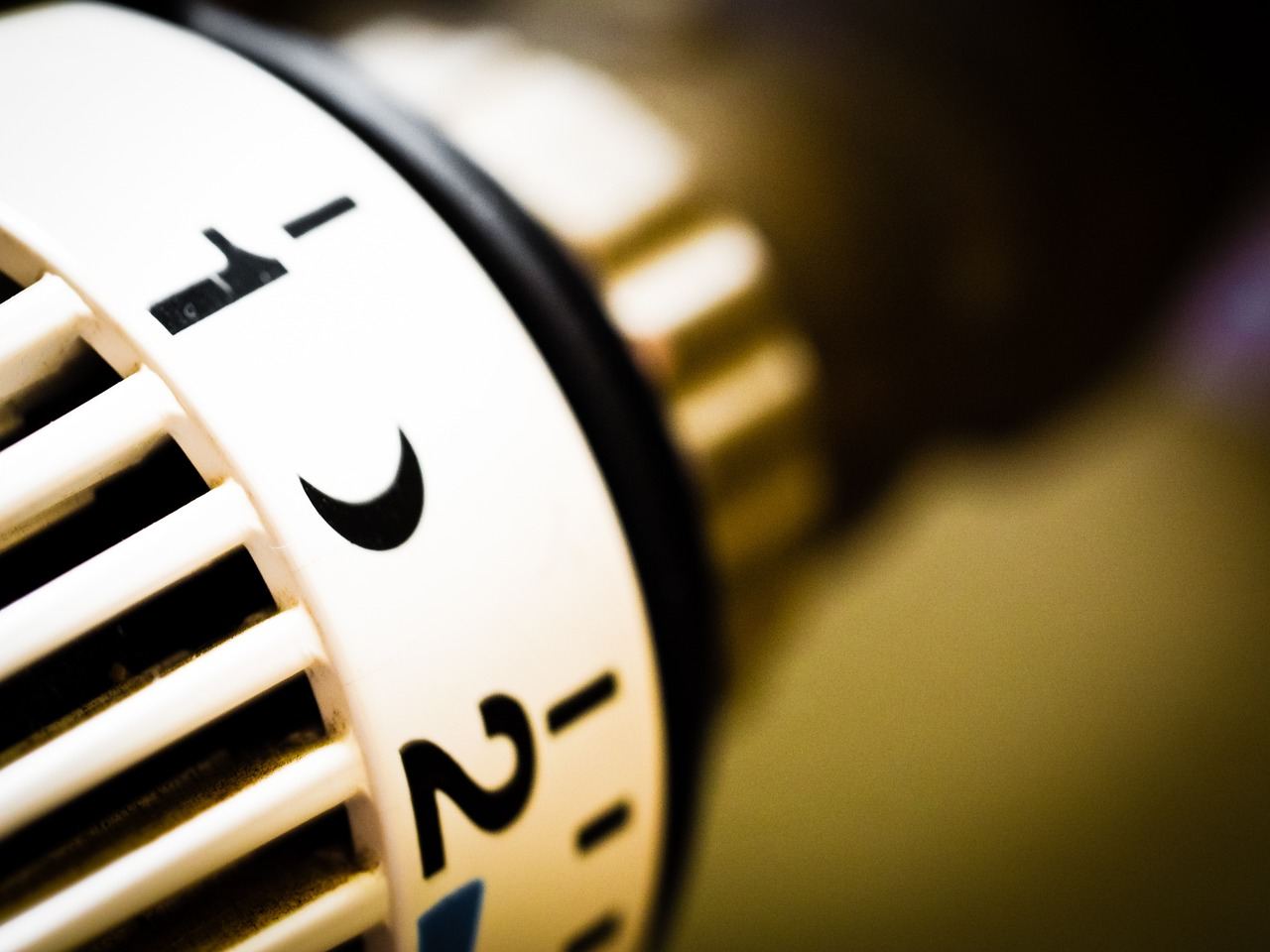
Scheduling and setback: the mechanism behind the savings
The mechanism is simple heat flow. The U.S. Department of Energy’s Energy Saver guidance on programmable thermostats (an archived copy of the page) says a household can save as much as 10% a year on heating and cooling by turning the thermostat back 7°-10°F for 8 hours a day from its normal setting. That page is undated, so the 10% figure is the DOE’s own upper estimate for that kind of setback, not a prediction for a particular home.
The same DOE page addresses a common worry. Many people assume a furnace works harder to warm a house back up after a setback, wiping out the gain. The guidance says that as soon as the house drops below its normal temperature, it loses energy to the surroundings more slowly. In winter, the lower the interior temperature, the slower the heat loss, so the longer the house stays at the lower setting, the more energy it saves. The same idea applies in summer when the thermostat is raised.
A smart thermostat automates this pattern. Instead of relying on someone to remember a setback each morning, a schedule or presence sensing does it. The DOE page also suggests an unoccupied period of four hours or more is the sort of window where adjusting the temperature makes sense, and it gives around 68°F to 70°F as a winter setting while awake.
Not every household follows a fixed routine, which is where learning and geofencing features are meant to help. They aim to fit the schedule to what occupants actually do, rather than a timetable that may not match shift work, travel or a home office.
Certification evidence on run-time savings
The strongest public evidence comes from the ENERGY STAR specification. According to the programme’s key product criteria page, certified smart thermostats must meet energy-savings thresholds for reduced heating and cooling system run time, plus a temperature accuracy limit and a low standby power limit. The current specification took effect on January 1, 2017 per the overview page.
| Criterion | Requirement |
|---|---|
| Annual run time reduction, heating (lower 95% confidence limit of weighted national average) | at least 8% |
| Annual run time reduction, cooling (lower 95% confidence limit of weighted national average) | at least 10% |
| Static temperature accuracy | within ±2.0 °F |
| Network standby average power consumption | no more than 3.0 W |
The thresholds in this table are from the ENERGY STAR smart thermostat key product criteria, which list further requirements not shown here.
The method behind the table is as important as the numbers. The key criteria page says service providers use EPA-provided software to analyze and combine a full year of data from customer homes, reflecting how the thermostats were actually used, to calculate national savings metrics. The lower 95% confidence limit is similar to an average but allows for the chance that the sampled homes were all higher savers. A second test uses the 20th percentile of homes, where the weighted national average must be at least 4% for heating and at least 5% for cooling, and the page explains that 4 out of 5 homes in the sample saved at least that much.
These are reductions in equipment run time, not guaranteed reductions in a household’s bill. Run time is what the thermostat influences directly, while the bill also depends on fuel prices, tariffs and weather, all of which change by region and over time.
Differences between homes
The published numbers are national figures, and individual homes will land above or below them. The DOE guidance notes that the percentage of savings from setback is greater for buildings in milder climates than for those in more severe climates, so a home in a mild region may see a larger proportional change than one with extreme winters or summers.
Heating system type matters as well. The DOE page says programmable thermostats are generally not recommended for heat pumps in heating mode, because setting back the thermostat can make the unit operate inefficiently and cancel out the savings. It adds that some companies sell specially designed thermostats for heat pumps that use algorithms to minimise backup electric resistance heat. Households with such equipment should check that a thermostat is built for it before relying on a standard setback schedule.
Other differences are outside the thermostat altogether. Insulation, air leakage, window quality, how many people are at home and the efficiency of the heating and cooling equipment all shape how much a schedule can change.
Behaviour counts too. A thermostat that is constantly overridden by hand delivers little of its potential. The feedback features described earlier exist partly to show occupants the consequence of their settings.
Compatibility, placement and setup
Savings only occur if the thermostat works properly with the existing system. ENERGY STAR’s buying tips say to make sure the smart thermostat is compatible with the heating and cooling system, and, for very high efficiency equipment, a controller from the same manufacturer may be preferable. It also advises keeping a Wi-Fi thermostat reasonably close to the router to prevent periodic disconnections. Where a particular system type or wiring arrangement is unclear, the manufacturer’s installation instructions and a qualified heating and cooling professional are the right references rather than guesswork.
Location matters as much as the model. The DOE guidance says a thermostat should be on an interior wall away from direct sunlight, drafts, doorways, skylights and windows, and that furniture should not block the natural air movement around it. A sensor reading a sunny patch will call for cooling that the rest of the house does not need.
ENERGY STAR also states that certified smart thermostats are designed to work with programmes some local utilities offer, which can give households incentives to help manage grid reliability. Whether such an offer exists depends on the utility and region, so the ENERGY STAR page directs readers to its rebate finder instead of a fixed list.
Fitting thermostat control into a wider plan
A thermostat is one part of a package. Anyone weighing a solar system alongside controls can read about rooftop solar installation, since household demand is one input to sizing an array.
Treated as a control layer, a smart thermostat works alongside the rest of the home: the measured benefit is a cut in equipment run time, and the size of that benefit depends on the home and its occupants.
Frequently asked questions
Does a smart thermostat save money on its own?
It reduces how long the system runs, and money follows only if energy prices and usage patterns make that reduction worth something. The certification data concerns run time, so the effect on a bill varies by household.
Is a smart thermostat better than a programmable one?
Both rely on setbacks. The smart version adds connectivity, remote control and, on some models, learned schedules or presence sensing, which can help households whose routines change from week to week.
Can a smart thermostat work with a heat pump?
Some are designed for heat pumps and aim to limit the use of backup resistance heat. A standard setback schedule can undermine a heat pump, so compatibility with that equipment should be confirmed before purchase.
Do the savings figures apply everywhere?
No. The figures cited here come from United States programmes and are expressed as national averages in U.S. terms. Other countries have different climates, building stock, fuels and tariffs, so local guidance should be consulted.