A home energy audit is a structured inspection that shows where a house loses energy and which repairs would cut bills the most. A professional audit measures air leakage, inspects the heating and cooling equipment, and ends with a written list of recommendations.
The audit is the starting point for the wider topic of home energy savings, because it ranks upgrades before any money is spent on them.
What a home energy audit is for
A home energy audit, which the U.S. Department of Energy (DOE) also calls a home energy assessment, answers three practical questions. It shows how much energy the house uses, which improvements are the most cost-effective, and how to lower energy bills. In a DOE guide published in February 2011, the department describes the assessment as the essential first step to lowering energy bills.
That ordering matters. An audit replaces guesswork with measurements, so spending goes to the measures that matter for that particular building rather than to the most visible purchase.
Energy use also differs sharply between homes. According to the U.S. Energy Information Administration (EIA), space heating and air conditioning made up 52% of average household energy consumption in 2020, which is why an audit puts so much weight on the building shell and the heating and cooling equipment.
Where a household uses energy
An audit makes more sense once the main energy uses are clear. The EIA reports that water heating, lighting and refrigeration, the year-round uses, accounted for 25% of total annual home energy use in 2020. Televisions, cooking appliances, clothes washers and dryers, and a growing list of electronics made up the rest of the non-heating, non-cooling share.
Heating and cooling are mostly seasonal and vary by climate, house size, structure, equipment and fuel. According to the EIA, space heating and air conditioning account for a much smaller share of household energy use in apartments than in detached single-family homes, because apartments are generally smaller and often partially insulated from the weather by adjacent apartments. An auditor looks at each of these uses in the context of the specific house rather than an average one.
What the auditor checks
The DOE guide lists the two most common techniques for a professional assessment as the blower door test and a thermographic scan, which are often done together. The auditor may also inspect heating and cooling systems, test for natural gas leaks, and check whether the home is properly ventilated, as the same DOE guide explains.
Blower door test
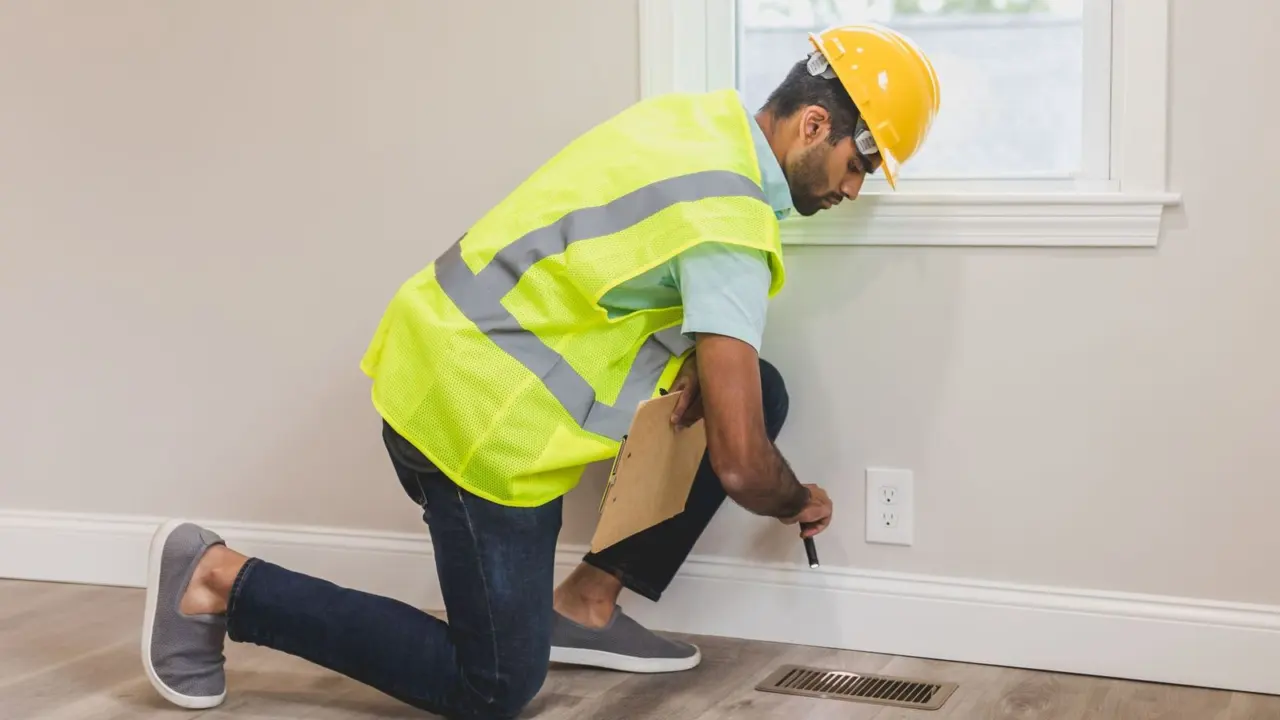
The blower door test is designed to measure the airtightness of a house. A powerful fan is mounted in a flexible panel that fits a doorway and draws air out of the house, lowering the pressure inside. Outdoor air then flows in through unsealed gaps, which lets the auditor locate leaks, for example with a smoke pencil.
The DOE guide stresses that the auditor should use a calibrated blower door, connected to a pressure gauge. A calibrated unit gives a quantitative measurement of airflow, while an uncalibrated one can identify air leaks but not the amount of air leakage.
Thermographic scan
A thermographic scan uses an infrared camera to show temperature differences along walls, roofs and around windows and doors. Warmer areas appear whiter and cooler areas darker. When the scan is done together with a blower door test, air leaks show up as black streaks in the infrared image, which is why the two methods are paired.
Ducts, equipment and safety checks
The auditor may also use a duct blower, a variable-speed fan attached to the duct system, to measure air leakage within ductwork.
Gas, combustion and electrical systems are a separate matter. A gas-leak test is part of what the DOE guide says an assessment can include, and any repair to a gas appliance, flue or wiring belongs to a qualified, licensed professional, not to a homeowner working from a checklist.
Preparing for an audit and finding an auditor
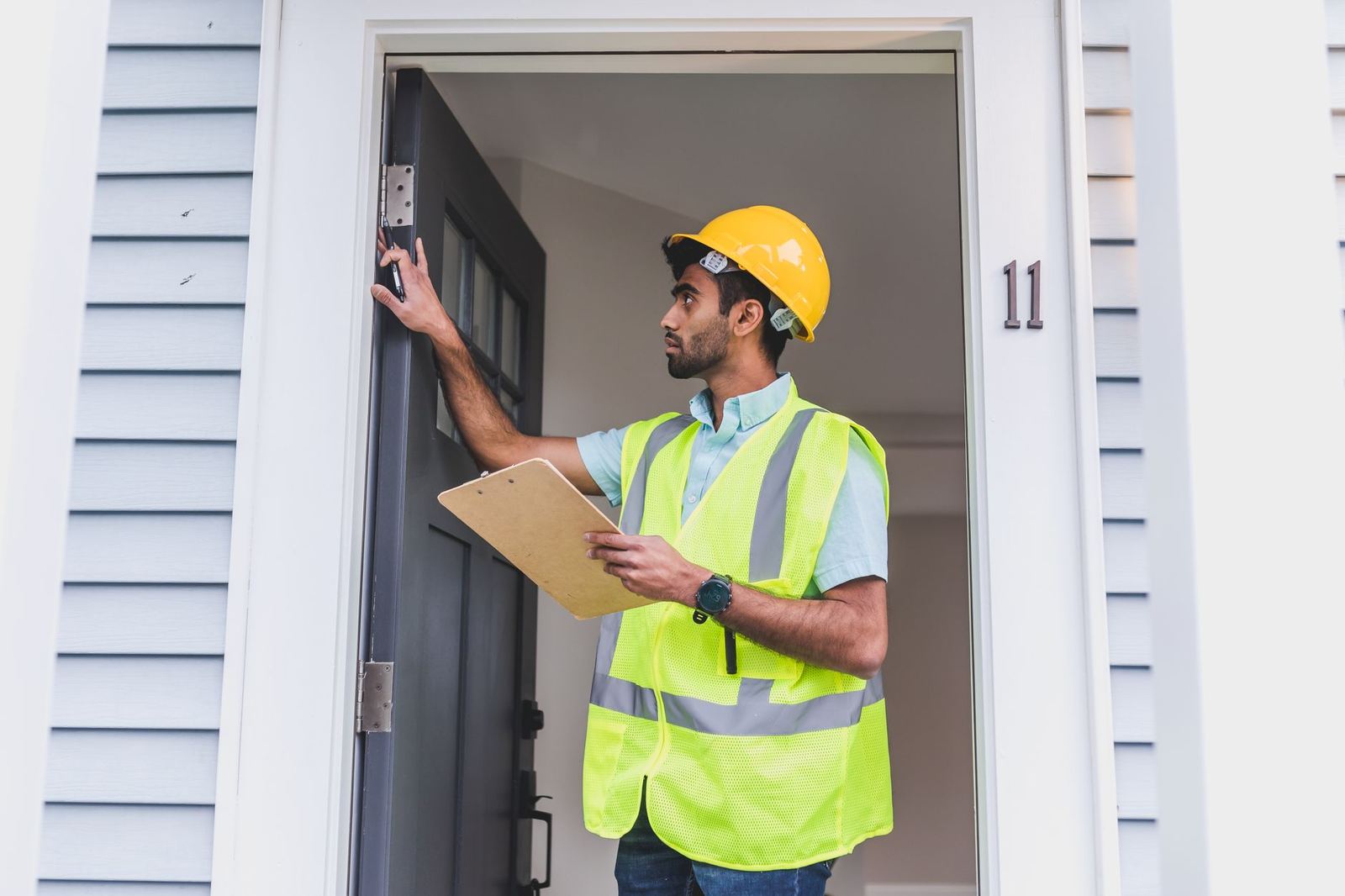
Preparation takes little time. The DOE guide recommends listing any indoor problems already noticed, such as condensation or uncomfortable and drafty rooms, and having copies or summaries of recent energy bills ready to share with the auditor. The auditor then does an initial walkthrough to learn daily energy usage patterns, both overall and room by room.
On qualifications, the guide advises using a certified energy auditor and says such auditors are typically licensed contractors in the home building and remodeling industry. It suggests checking with the local electric or gas utility, the state or local government energy or weatherization office, or the ENERGY STAR program to find one. Which certifications and programs apply today depends on the state and the utility.
A simple self-check can come before the professional visit. According to the same guide, shutting a door or window on a piece of paper is a way to test for a leak: if the paper can be pulled out without tearing, air is getting through. The method finds only obvious gaps and does not replace a measured assessment.
What an audit costs and what acting on it costs
The DOE guide, dated February 2011, put the price of a professional assessment at approximately $100 to $500 in U.S. dollars. That figure is a historical reference for the United States rather than a current quote, and the cost today varies by region, house size and provider. The same guide notes that many contractors perform the assessment at a reduced rate if the homeowner hires them to carry out the upgrades afterward.
The cost of acting on the report depends on what it finds. The DOE guide says the outcome may be as modest as air sealing small gaps and adding attic insulation, or may justify substantial upgrades such as replacing heating and cooling equipment. For sealing and insulating, ENERGY STAR states that these measures can provide up to a 10% savings on annual energy bills, a ceiling rather than a promise for any given house.
Support exists for some households. The DOE Weatherization Assistance Program reduces energy costs for low-income households by increasing the energy efficiency of their homes while ensuring health and safety, and households served save on average $372 or more every year, according to the national evaluation DOE cites. Eligibility, funding and incentives change, so the program pages and local utilities are the places to confirm what applies.
Turning audit findings into a plan
After the assessment, the auditor should provide a report of findings and recommendations for improvements. The DOE guide says the report lets the homeowner make an informed decision about what to upgrade. A sensible way to read it is by payoff: air sealing and insulation address the shell, and equipment changes address how heat is made and moved.
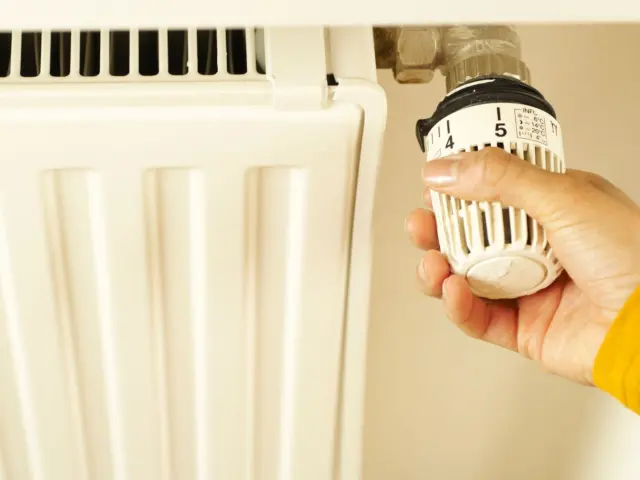
Equipment upgrades rarely stand alone. If a report points to an ageing furnace or air conditioner, it helps to understand how heat pumps work before comparing replacement options.
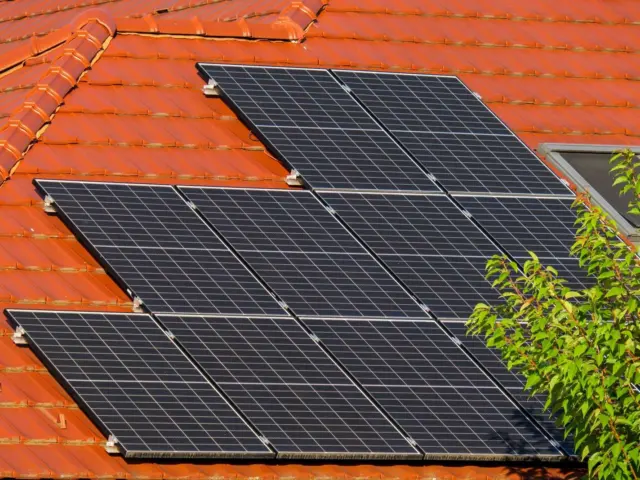
The report can also feed decisions that go beyond efficiency. A household that has already trimmed demand may then look at generating power, and the solar panel payback period is one way to estimate how long a rooftop system takes to pay for itself once the house is using less energy.
Whatever the findings, work on electrical panels, gas lines, flues and combustion appliances calls for a licensed professional. An audit identifies the problem; it is not a licence to attempt every fix at home.
Frequently asked questions
What is the difference between a home energy audit and a home energy assessment?
The terms describe the same service. The DOE guide uses home energy assessment and notes it is also called a home energy audit.
Does a home energy audit include a blower door test?
A professional audit commonly does. The blower door test measures how airtight the house is, and it is often paired with an infrared scan to pinpoint where air is escaping.
Can a homeowner run an audit alone?
A homeowner can do a walk-through to look for obvious gaps around doors, windows, outlets and the attic hatch. A professional visit adds calibrated measurement of air leakage and a written list of recommendations.
Do audit recommendations have to be carried out?
No. The report is a set of findings and suggestions, and the homeowner decides which upgrades to make and in what order.