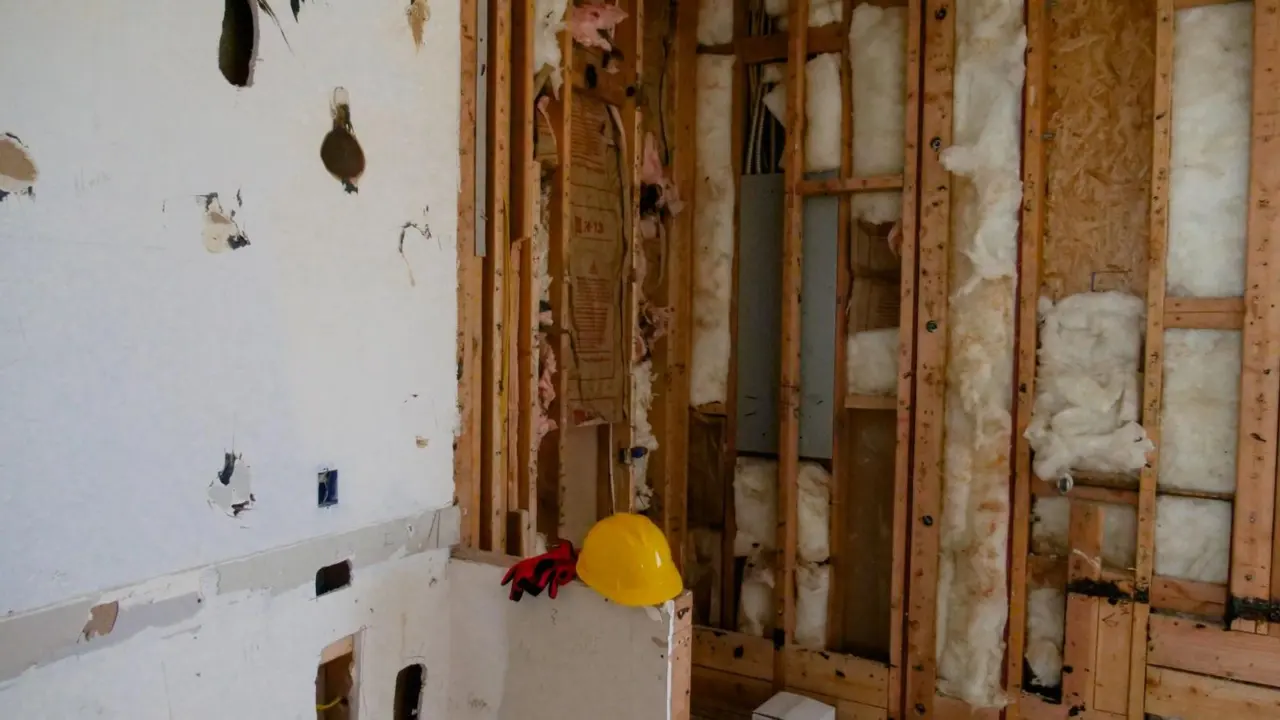
Home insulation slows heat flow through a house’s attic, walls and floors, so heating and cooling equipment runs less. It works best after air leaks are sealed, starting with the attic.
This guide belongs to the wider topic of home energy savings, and it covers R-values, air sealing, the order of upgrades and the safety points that official sources stress.
R-values and recommended insulation levels
Insulation is rated by R-value. According to ENERGY STAR’s page on recommended home insulation R-values, R-value measures insulation’s ability to resist heat travelling through it, and a higher R-value means better thermal performance.
The same ENERGY STAR page publishes recommended levels for retrofitting existing wood-framed buildings, sorted by climate zone. The attic columns and the floor column are shown below, with colder zones needing higher numbers.
| Climate zone | Uninsulated attic | Attic with 3–4 inches already in place | Floor |
|---|---|---|---|
| Zone 1 | R30 | R25 | R13 |
| Zone 2 | R49 | R38 | R13 |
| Zone 3 | R49 | R38 | R19 |
| Zones 4A and 4B | R60 | R49 | R19 |
| Zones 6, 5, and 4C | R60 | R49 | R30 |
| Zones 7 and 8 | R60 | R49 | R38 |
The figures come from ENERGY STAR’s recommended insulation levels table, which states that the guidance is based on the 2021 International Energy Conservation Code.
For basement or crawlspace walls, the ENERGY STAR page lists R5 insulative wall sheathing or R13 batt insulation in Zone 3, rising to R15 sheathing or R19 batt in Zones 4C and 5–8.
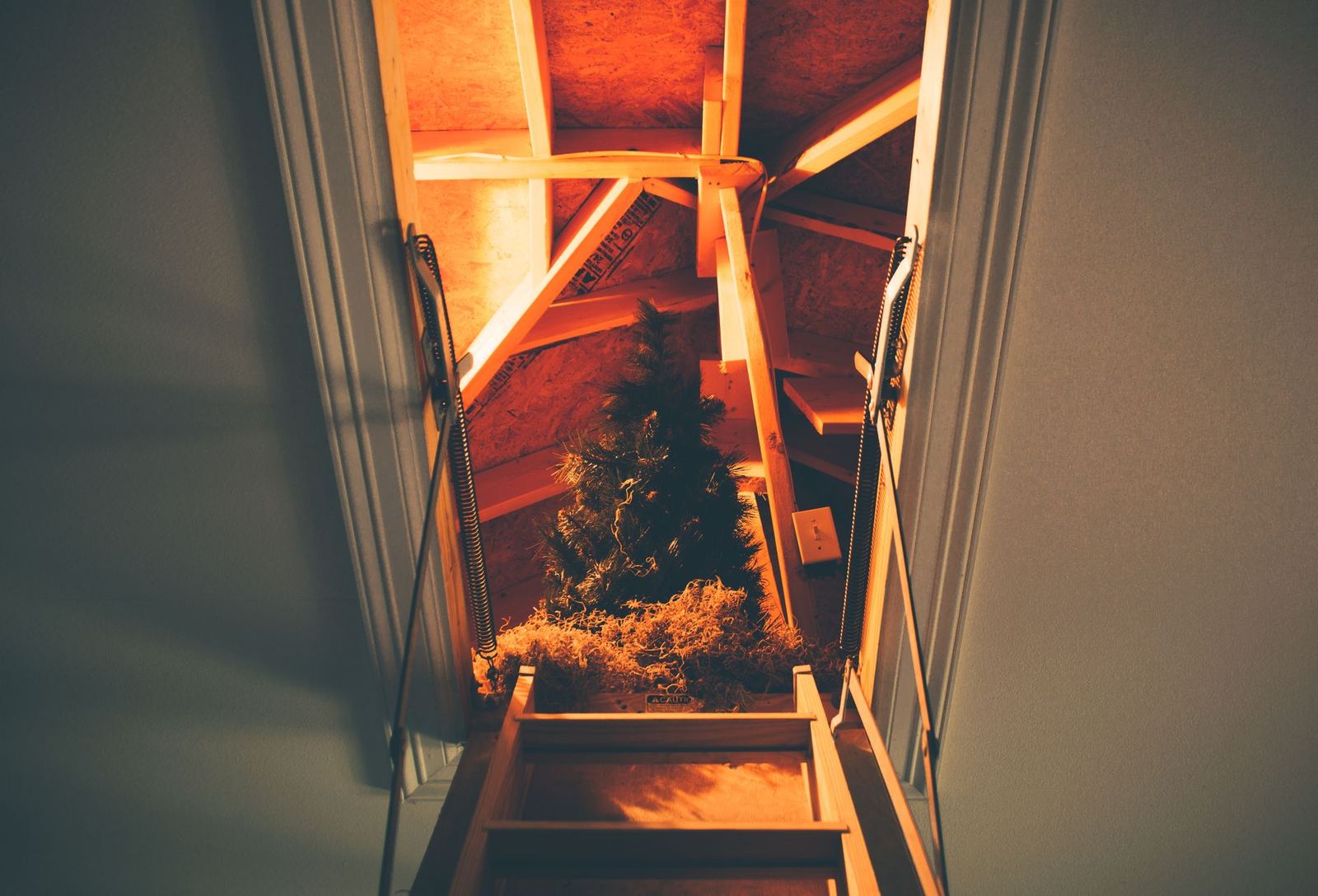
Air sealing comes before insulation
Air that leaks through a home’s envelope, meaning the outer walls, windows, doors and other openings, wastes a lot of energy and raises utility costs, as ENERGY STAR’s explanation of why to seal and insulate puts it. The same page says that, added together, the leaks, holes and gaps in a typical home’s envelope would be the equivalent of having a window open every day of the year.
That is why ENERGY STAR’s attic insulation guidance notes that EPA recommends air sealing the attic before adding attic insulation.
The modeling behind EPA’s savings estimate gives a sense of the target. In its methodology for estimated energy savings, EPA assumed a 25% reduction in total air infiltration, focusing on leaks to the attic space, through the foundation, and around windows and doors.
Attic air sealing is generally a challenging DIY project, according to ENERGY STAR’s attic air sealing project page, which suggests qualified contractors for households that prefer not to do it. The same page lists drafty rooms, uneven temperatures between rooms, high heating or cooling bills and ice dams in winter as common symptoms that point to the project.
Priority areas, from attic to windows
ENERGY STAR’s guide to assessing the level of opportunity ranks areas of the house by the size of the likely payoff. The ranking, in order, runs as follows.
- Attic. The attic usually has the most potential for energy savings and is typically accessible, so it comes first, with air sealing done before insulation.
- Basement or crawlspace. Once the attic has been addressed, this is usually the next best place to seal and insulate, and it also controls drafts from below.
- Ducts. Leaky ducts can be a significant source of energy loss, especially where they run through an attic or crawlspace.
- Doors, windows and walls. Leaks here cause uncomfortable drafts but usually have the least impact on energy use, though they are the most accessible jobs.
The ENERGY STAR page adds that results vary with climate and the age, construction and condition of a home. A Building Science Corporation report for the US Department of Energy’s Building America Program, listed on ENERGY STAR’s basement and crawlspace page, explains that heat loss through uninsulated basement walls can account for up to one-third of the heat loss from an average home. That is one reason foundations rank second.
Insulation types and installation skill
ENERGY STAR’s page on choosing the appropriate insulation type groups products by form and by the skill they demand. Blanket batts and rolls, made from fiberglass, mineral wool, plastic fibers or natural fibers, suit unfinished walls, floors and ceilings and need only basic skill. Rigid foam board suits unfinished walls, floors and ceilings, unvented low-slope roofs and exterior continuous insulation, and is rated intermediate.
Loose-fill and blown-in products, made from cellulose, fiberglass or mineral wool, suit enclosed existing wall cavities, unfinished attic floors and other hard-to-reach places, also at an intermediate skill level. Sprayed foam and foamed-in-place products suit enclosed walls and attic ceilings, but the page rates them advanced and says a certified installer is needed.
The page also stresses that insulation performance is highly dependent on the quality of the installation.
Safety points that official sources stress
Older attics sometimes hold vermiculite insulation, a pebble-like, pour-in product that is usually gray-brown or silver-gold. According to the EPA’s guidance on asbestos-contaminated vermiculite insulation, last updated on April 17, 2026, a mine near Libby, Montana, was the source of over 70 percent of all vermiculite sold in the United States from 1919 to 1990 and its output was contaminated with asbestos. EPA says to assume the vermiculite contains asbestos, leave it undisturbed, not attempt to remove it, and hire a professional asbestos contractor before any renovation that would disturb it.
The ENERGY STAR attic pages carry related cautions. Insulation must never be laid over recessed light fixtures or soffit vents, and per the attic insulation project page it should stay at least 3 inches away from recessed can lights unless they are rated IC, meaning insulated ceiling. The same page lists knob and tube wiring from before 1930 as a fire hazard when it touches insulation, so a professional is the route for homes that still have it.
ENERGY STAR’s attic guidance also suggests that a household may hire a home energy professional to run a comprehensive energy audit and identify potential safety hazards before work begins.
What savings to expect
EPA states in its savings methodology that homeowners can save an average of 15% on heating and cooling costs, or an average of 11% on total energy costs, by air sealing their homes and adding insulation in attics, floors over crawl spaces and accessible basement rim joists. The estimate rests on energy modeling of typical existing US homes, and EPA notes savings are higher in the North than the South.
The main ENERGY STAR seal and insulate page uses a more cautious headline, saying the work can provide up to a 10% savings on annual energy bills. Its why-seal-and-insulate page adds that 9 out of 10 US homes are under-insulated.
The scale of what insulation can touch comes from federal data. The U.S. Energy Information Administration reports in its explainer on energy use in homes that more than half of a household’s annual energy consumption, 52% in 2020, goes to space heating and air conditioning. Water heating, lighting and refrigeration made up 25% in 2020, and those uses sit outside what insulation changes, so the page on led lighting energy savings and the guide to energy efficient appliances cover the other side of the household bill.
Frequently asked questions
Does the climate zone change which insulation to choose?
Yes. The recommended levels in the ENERGY STAR table step up from the warm zones to the cold ones, so a home in a cold zone is advised to reach a higher R-value than one in a warm zone, and wall guidance also varies by zone.
Can new insulation go over what is already in the attic?
Yes. ENERGY STAR says the new layer does not have to match the existing type, and a second layer of roll insulation should be unfaced, with no vapor retarder, laid across the first.
Does certified insulation differ from other products?
ENERGY STAR partners only with insulation makers whose products are tested by a third-party certification body, and certified products must also meet flame resistance requirements.
What moisture or ventilation problems should be fixed first?
ENERGY STAR advises consulting a professional if the attic shows wet or damp insulation, moldy or rotted rafters, bathroom, kitchen or dryer vents exhausting into the attic, or little or no ventilation.
Is financial help available for insulation work?
ENERGY STAR notes that many local utilities may offer rebates for a professional home energy assessment and some air sealing and insulation projects, and that a state’s Weatherization Assistance Program may provide help. Availability depends on the location.