Green hydrogen is hydrogen made by splitting water with renewable electricity, such as wind or solar power, rather than drawing it from natural gas or coal.
It is one of several options for carrying clean power across the energy system, and the wider field is mapped in the guide to renewable energy sources. This page explains how the fuel is made, what it is used for, how it is stored and where costs and scale stood in recent official data.
How electrolysis turns water and electricity into hydrogen
The core step is electrolysis. According to the US Department of Energy, electrolysis is the process of using electricity to split water into hydrogen and oxygen, and the reaction takes place in an electrolyzer. A cell contains an anode and a cathode separated by an electrolyte. When direct current is applied, water molecules break apart, hydrogen collects at one electrode and oxygen at the other.
The hydrogen counts as green only when the electricity feeding the electrolyzer is renewable. The International Renewable Energy Agency describes the link plainly: renewable electricity can be converted to hydrogen via electrolysis. The same hydrogen made with grid power from fossil plants would not carry the label, because the emissions simply move from the electrolyzer to the power station.
The technology itself is not experimental. The DOE hydrogen production overview states that electrolysis is well developed and available commercially, while systems that can efficiently use intermittent renewable power are still being developed. That second clause matters, because wind and solar output rises and falls through the day, and an electrolyzer has to cope with that pattern if it is wired directly to a wind farm or solar array.

The main electrolyzer types
Three families of electrolyzer are described by the DOE, and they differ mainly in the electrolyte and the temperature at which they run.
- Proton exchange membrane (PEM). A solid plastic membrane lets only hydrogen ions pass. It operates at relatively low temperatures.
- Alkaline and anion exchange membrane (AEM). Alkaline units use a liquid potassium or sodium hydroxide solution, while AEM units use a solid polymer that conducts hydroxide ions.
- Solid oxide (SOEC). A ceramic electrolyte conducts oxide ions at very high temperatures.
| Electrolyzer type | Typical operating temperature | Electrolyte |
|---|---|---|
| PEM | 70°C–90°C | Solid plastic membrane |
| Alkaline | 60°C–90°C | Liquid alkaline solution with porous separator |
| AEM | 50°C–80°C | Solid polymer membrane |
| Solid oxide | 650°C–850°C | Solid ceramic |
Operating temperatures in the table come from the US Department of Energy electrolysis page.
The high running temperature of a solid oxide cell has a practical benefit. The same DOE page notes that SOECs can effectively use heat from various sources, including nuclear energy, to reduce the amount of electrical energy needed to produce hydrogen from water. In other words, a supply of waste or process heat can substitute for part of the electricity.
Where hydrogen is used and how the colour labels work
Hydrogen is not a new commodity. The International Energy Agency’s Global Hydrogen Review 2025 reports that global hydrogen demand increased to almost 100 million tonnes in 2024, up 2% from 2023, driven by traditional users such as oil refining and industry. Most of that supply is made from fossil fuels, which is why the colour labels exist. Green marks electrolysis powered by renewables, and other colours mark fossil routes with or without carbon capture.
The scale of the green share is small. IRENA reports that as at the end of 2021, almost 47% of global hydrogen production was from natural gas, 27% from coal, 22% from oil as a by-product and only around 4% from electrolysis, as set out on its hydrogen overview page.
More recently, the IEA review reports that low-emissions hydrogen accounts for less than 1% of global production.
Because hydrogen is a versatile energy carrier and not an energy source, as IRENA puts it, its value lies in moving and storing energy made elsewhere. Three uses attract the most attention:
- Refining and chemicals. These sectors already buy hydrogen, so switching their supply to green hydrogen needs no new end-use equipment. The IEA notes that existing refining and chemical uses account for almost all firm offtake agreements signed by private buyers so far.
- Fertiliser and shipping fuel. Hydrogen can be turned into ammonia, which IRENA says is mostly used as fertiliser feedstock today and could also serve as a shipping fuel.
- Fuel cells. According to the DOE hydrogen fuel basics page, hydrogen consumed in a fuel cell produces only water, which the DOE says makes it an attractive fuel option for transportation and electricity generation.
Direct solar water splitting is a separate research route in which light energy splits water. The DOE describes these processes as being in various early stages of research, with long-term potential, so they are not yet a source of commercial supply.
Storing and moving hydrogen
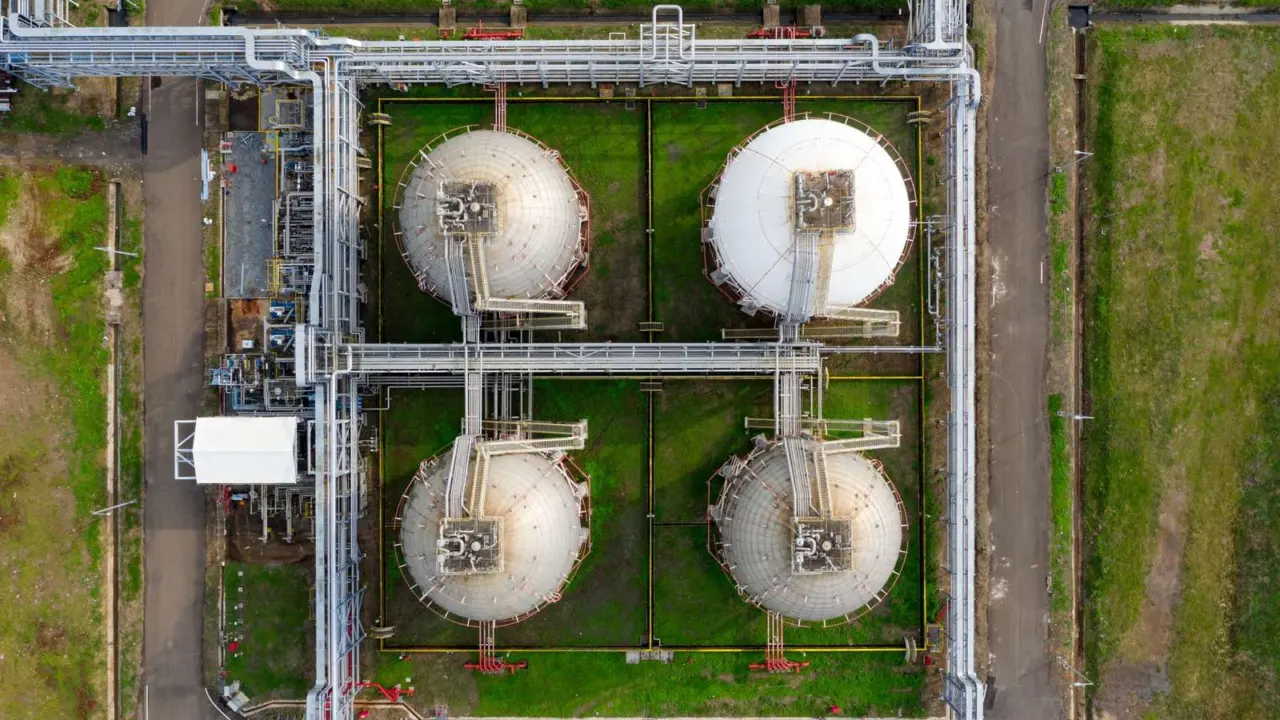
Hydrogen carries a great deal of energy for its weight but very little for its volume. The DOE hydrogen storage page says hydrogen has the highest energy per mass of any fuel, yet its low density at ambient temperatures and pressures gives it very low energy density per unit volume. That single fact shapes most of the engineering around it.
Three storage approaches are described by the DOE:
- Compressed gas. Storing hydrogen as a gas typically requires high-pressure tanks, at tank pressures of 350–700 bar.
- Liquid hydrogen. This needs cryogenic temperatures, because the boiling point of hydrogen at ambient pressure is −252.8°C.
- Materials-based storage. Hydrogen is held on the surface of solids or inside them, or locked into new compounds through a chemical reaction that must be reversed to release it.
Each route adds equipment, energy use and cost between the electrolyzer and the customer. This is one reason ammonia and other derivatives get attention: IRENA’s overview explains that converting hydrogen into derivatives such as ammonia makes long-distance transport and long-term storage cost-effective.
Costs, capacity and the outlook to 2030
Official figures show a young industry that is growing from a very small base. All figures below are from the IEA’s Global Hydrogen Review 2025 unless stated otherwise, and they describe the situation as of that report.
- Installed electrolysis. Global installed capacity of water electrolysis reached 2 GW in 2024.
- Regional split. China accounts for 65% of global installed capacity and capacity that has reached a final investment decision.
- Equipment cost, 2024. Making and installing an electrolyser outside China cost USD 2,000 to USD 2,600 per kilowatt, compared with USD 600 to USD 1,200 per kilowatt for units made and installed in China.
- Announced pipeline. Production achievable by 2030 from announced low-emissions projects is 37 Mtpa, down from 49 Mtpa in the previous year’s review, after cancellations and delays.
- Firmer projects. Output from projects that are operational or have reached a final investment decision is set to reach 4.2 Mtpa by 2030.
The IEA identifies the cost gap between low-emissions hydrogen and unabated fossil-based production as a key barrier for project development, while expecting that gap to narrow. The gap depends on local conditions, including gas prices, carbon prices and the price of renewable power, so no single production cost applies everywhere. Readers comparing projects should look for a dated figure from a named region rather than a global average.
How green hydrogen fits with other renewable technologies
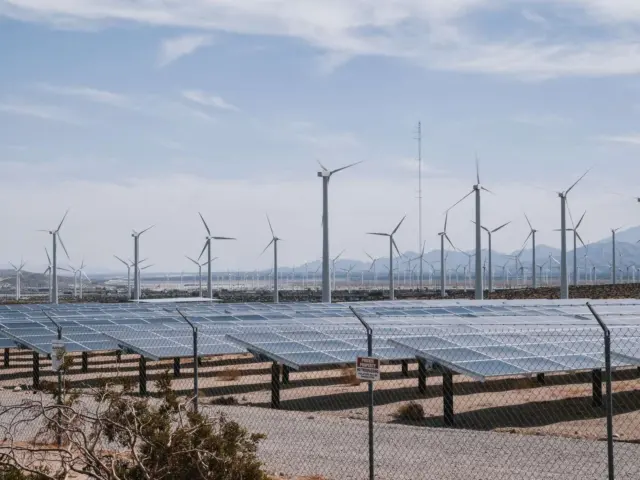
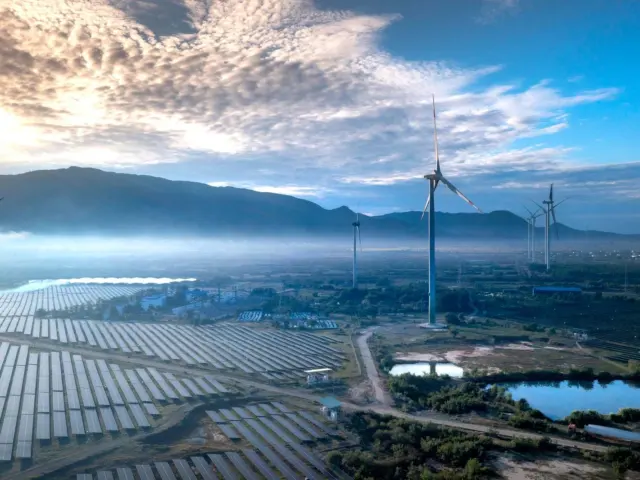
Green hydrogen sits downstream of other clean generation. Solar and wind farms supply the electricity, and electrolyzers turn surplus or dedicated output into a storable fuel. Shared arrays such as those described under community solar feed power straight to customers and the grid, while hydrogen is aimed at uses that power lines and batteries reach less easily.
Land use also links the topics. Farmland that doubles as a solar site, a practice covered in the explainer on agrivoltaics, is one example of how generation can be added without taking land out of production, which matters when large electrolyzer projects need a lot of new renewable capacity behind them.
Because hydrogen is an energy carrier, every step has losses. Electricity is spent making it, more is spent compressing or cooling it, and a fuel cell or engine converts only part of the remaining energy to useful work. Anyone weighing hydrogen against other options should therefore ask what each step costs in energy as well as in money.
Frequently asked questions
What makes hydrogen green?
Hydrogen is green when it is produced by electrolysis powered by renewable electricity, as IRENA describes. Hydrogen from natural gas or coal does not qualify, and neither does electrolysis run on fossil-based power.
Is green hydrogen common today?
No. The IEA reports that low-emissions hydrogen, which includes green hydrogen, accounted for less than 1% of global production in its 2025 review, while demand for hydrogen overall was almost 100 million tonnes in 2024.
Can green hydrogen be used in homes?
Hydrogen can power fuel cells, and the DOE notes that the only output of a fuel cell is water. Any installation of hydrogen equipment in a building involves gas and electrical safety rules, so a licensed professional and the local authority’s requirements apply.
Why is hydrogen hard to store?
It has a very low energy density by volume, according to the DOE. Gas storage needs tank pressures of 350–700 bar, and liquid storage needs temperatures down to −252.8°C.
Is green hydrogen cheaper than fossil hydrogen?
Not generally. The IEA describes a cost gap that remains a key barrier, and it expects the gap to narrow. The size of the gap varies by region and by the energy prices that apply there.