Geothermal energy is heat from inside the earth, used to generate electricity, warm buildings and supply industrial processes. Because the earth keeps producing this heat, it counts as a renewable source.
It sits alongside solar, wind and water power in the wider family of renewable energy sources, but it works very differently: instead of waiting for sunshine or wind, it taps a steady supply of heat below the surface.
Where geothermal heat comes from
According to the U.S. Energy Information Administration (EIA), geothermal energy is a renewable energy source because the earth constantly produces this heat. The heat is produced by the slow breakdown of radioactive particles in the earth’s core, a process that happens naturally in all rocks. The same page puts the temperature of the inner core at about 10,800 degrees Fahrenheit, which is as hot as the sun’s surface.
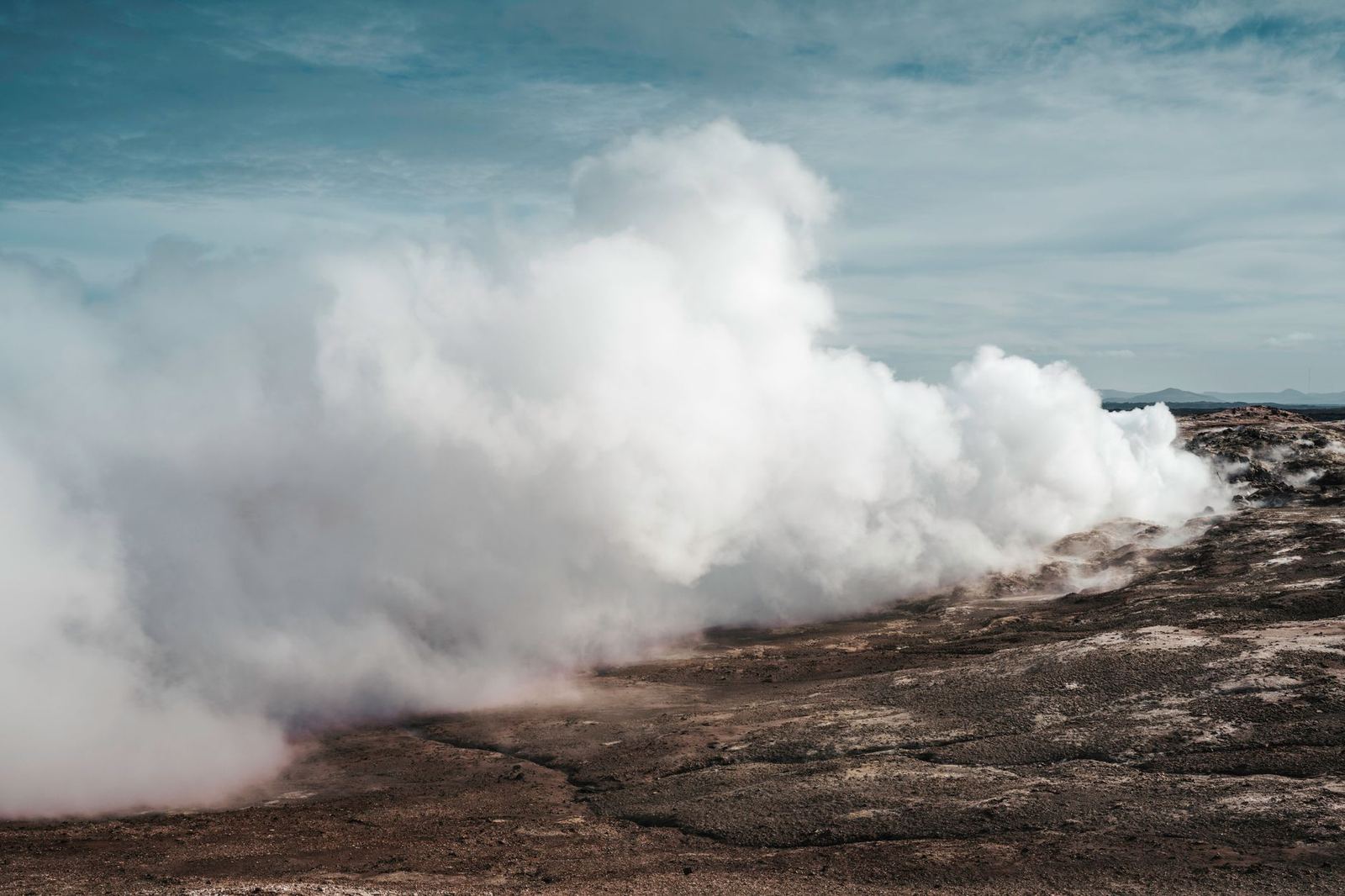
That heat does not stay in the core. Rocks and water absorb heat from magma deep underground, and the deeper a drill goes, the hotter the rocks and water become. Where the earth’s crust is thin or broken, the heat gets close enough to the surface to be reached with wells, or it escapes on its own as steam vents and hot springs.
Three ingredients make a natural geothermal system useful for power. The Department of Energy describes them as heat in the rock, fluid to carry that heat to the surface, and permeability, meaning small pathways such as fractures that let the fluid move through hot rock (U.S. Department of Energy). When all three are present naturally, the site is called a hydrothermal resource.
Where geothermal resources are found
Geothermal energy is not spread evenly. The EIA notes that most major geothermal resources are found near the edges of the earth’s major tectonic plates, which is also where most volcanoes are located (EIA, where geothermal energy is found). The Pacific “Ring of Fire” is one of the most active geothermal areas in the world. Finding a reservoir is not simple either: the most reliable method is to drill a well and test the temperature deep underground.
In the United States, the best-known field is The Geysers in Northern California, described by the EIA as the largest known dry steam field in the world, producing electricity since 1960. The same source explains that most U.S. geothermal plants are in the western states and Hawaii, where resources lie close to the surface.
How geothermal power plants work
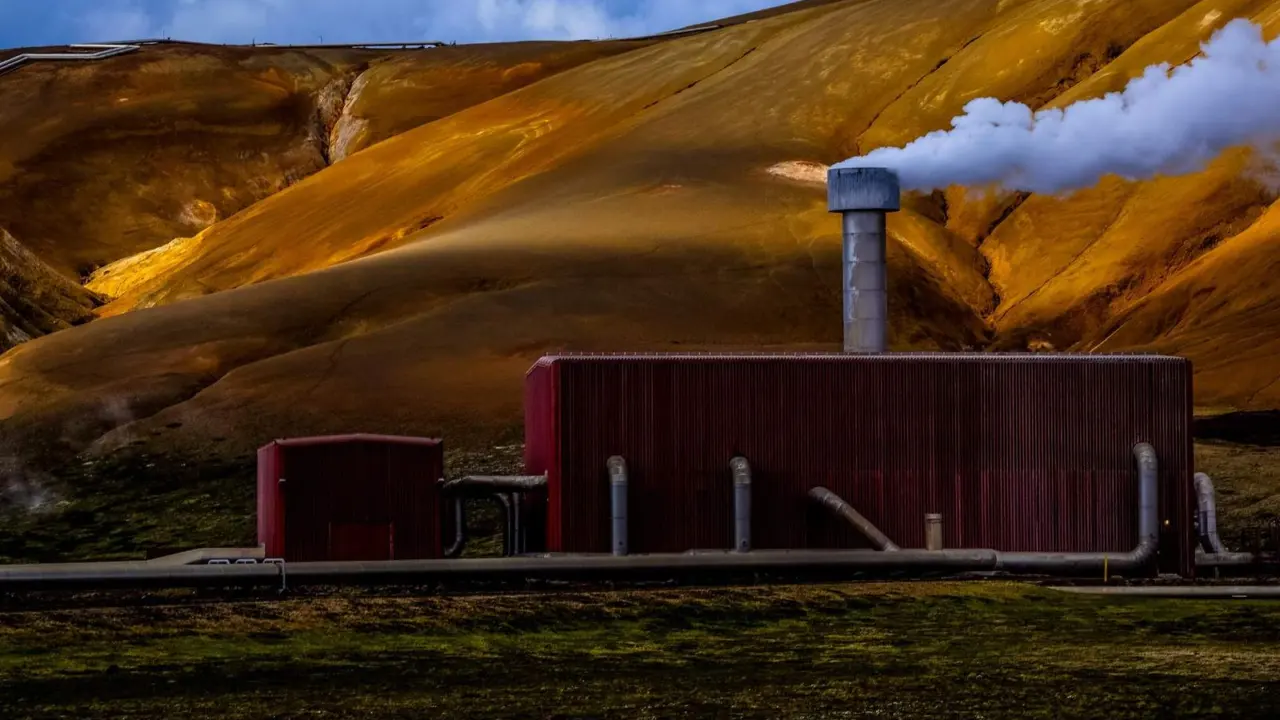
A geothermal power plant uses hot water or steam from wells to spin a turbine. According to the EIA, generation requires water or steam at high temperatures, roughly 300°F to 700°F, and some wells are as much as 2 miles deep (EIA, geothermal power plants).
There are three basic plant designs, and each handles the underground fluid differently:
- Dry steam plants use steam directly from a geothermal reservoir to spin generator turbines. The first geothermal power plant, built in 1904 in Italy, used natural steam coming out of the ground.
- Flash steam plants are the most common type. They use high-pressure hot water from deep inside the earth; when it reaches the surface and its pressure drops, part of it flashes into steam that drives the turbine.
- Binary-cycle plants transfer heat from geothermal hot water to another liquid with a lower boiling point. That second liquid turns to steam and drives the turbine, so the geothermal water never touches the machinery and is returned underground.
The binary design is a closed system, and the EIA states that it produces no air emissions.
How much electricity geothermal supplies
Geothermal supplies a modest share of electricity in the United States and a very large one in a few other countries. In 2025, according to the EIA’s overview of geothermal uses, the United States had geothermal power plants in seven states, producing about 0.4% of total U.S. utility-scale electricity generation, or 16 billion kilowatthours. The Department of Energy adds that the United States leads the world in geothermal capacity at just over 4 gigawatts (DOE, geothermal electricity generation).
The picture is lopsided within the country. The table shows the three largest producing states in 2025: California alone generated most of the national geothermal total, while in Nevada geothermal covered a far bigger share of the state’s own electricity.
| State | Share of U.S. geothermal generation, 2025 | Geothermal share of the state’s generation, 2025 |
|---|---|---|
| California | 68.6% | 5.2% |
| Nevada | 24.7% | 8.6% |
| Utah | 3.0% | 1.2% |
Data for the table comes from the U.S. Energy Information Administration, which cites its Electric Power Monthly tables (preliminary data).
Globally, the EIA reports that in 2022, 25 countries generated about 92 billion kilowatthours of electricity from geothermal energy. Indonesia was the top producer at about 17 billion kilowatthours, roughly 5% of its electricity. Kenya produced about 5 billion kilowatthours, equal to about 43% of its annual generation, the largest percentage share among countries with geothermal plants (EIA, international geothermal generation).
Enhanced and next-generation geothermal systems
Natural hydrothermal sites are limited to certain regions. In many other places the rock is hot but lacks fluid or permeability. The Department of Energy says an enhanced geothermal system (EGS) can create a human-made reservoir there: fluid is injected deep underground under carefully controlled conditions to create new fractures and re-open existing ones, so that water can circulate through hot rock and return to the surface hot (DOE, enhanced geothermal systems).
Two other approaches are in development. Closed-loop systems do not rely on a fracture network; they circulate fluid through sealed underground pipes, somewhat like a radiator. Superhot systems tap rock above 375°C, where injected water carries very large volumes of heat. The same DOE page says these technologies could extend geothermal production beyond traditional hydrothermal regions.
The Department of Energy’s updated analysis found that technical advances could enable at least 90 gigawatts of geothermal electricity-generating capacity across the United States by 2050 (DOE, geothermal electricity generation). That is a projection from an analysis, not a measured result, and depends on the technology reaching commercial scale.
Direct use and geothermal heat pumps
Not all geothermal energy becomes electricity. Hot water near the surface can be piped straight into buildings, and the EIA notes that a district heating system provides heat for most of the buildings in Reykjavik, Iceland. Industrial uses include food drying, gold mining and milk pasteurizing (EIA, use of geothermal energy).
Geothermal heat pumps work on a much smaller scale and do not need hot rock at all. The Department of Energy explains that temperatures at about 30 feet below the surface stay relatively constant year-round, between about 50°F and 59°F. A geothermal heat pump exchanges heat with that steady ground temperature, warming a building in winter and cooling it in summer (DOE, geothermal heat pumps).
The DOE says that compared with air-source systems, geothermal heat pumps have been shown to be quieter, to last longer and to need less maintenance. It also notes that they are typically more expensive to install, with the extra cost often returned through energy savings. Costs and incentives vary by country and over time, so none are quoted here.
Environmental effects and limits
Geothermal power plants do not burn fuel. The EIA says that although they may release small amounts of sulfur dioxide and carbon dioxide, their emissions are far lower than those of fossil fuel plants, with about 97% less sulfur compounds and about 99% less carbon dioxide (EIA, geothermal energy and the environment). Plants use scrubbers to remove hydrogen sulfide, a gas naturally found in reservoirs, and most inject the steam and water they use back into the earth, which helps renew the resource.
Natural features need protection too. Geysers and fumaroles in places such as Yellowstone National Park are protected by law, which keeps development away from them.
Siting is the main practical limit. A conventional plant needs a hot, fluid-bearing, permeable reservoir that happens to lie within reach of a drill, and the most reliable way to confirm one is to drill a well. Comparing the cost of such projects with other power sources is covered in the guide to the levelized cost of energy.
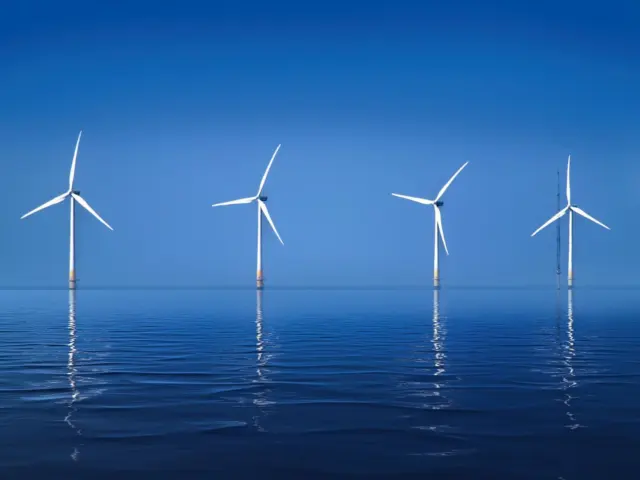
The heat source is also different in kind from weather-driven sources. Geothermal plants draw on heat the earth keeps producing, while a source such as offshore wind power depends on turbines catching the wind.
Frequently asked questions
Is geothermal energy renewable?
Yes. The EIA classes geothermal as renewable because the earth constantly produces the heat, and plants that reinject their fluid help renew the reservoir.
What are the main ways geothermal energy is used?
People use it for bathing in hot springs, heating buildings, generating electricity and some industrial processes, and ground-source heat pumps use shallow, steady ground temperatures to heat and cool buildings.
What is an enhanced geothermal system?
It is a human-made reservoir. Fluid is injected into hot rock that lacks natural permeability, creating fractures so that water can circulate, pick up heat and be pumped back to the surface to generate power.
Can geothermal heat pumps be used anywhere?
The Department of Energy says they can be installed in all climates and in urban or rural settings, in new construction or added to existing buildings, because they rely on shallow ground temperature rather than hot rock.
Does geothermal power produce emissions?
Plants emit far less than fossil fuel plants, and binary-cycle plants, a closed system, produce no air emissions according to the EIA.